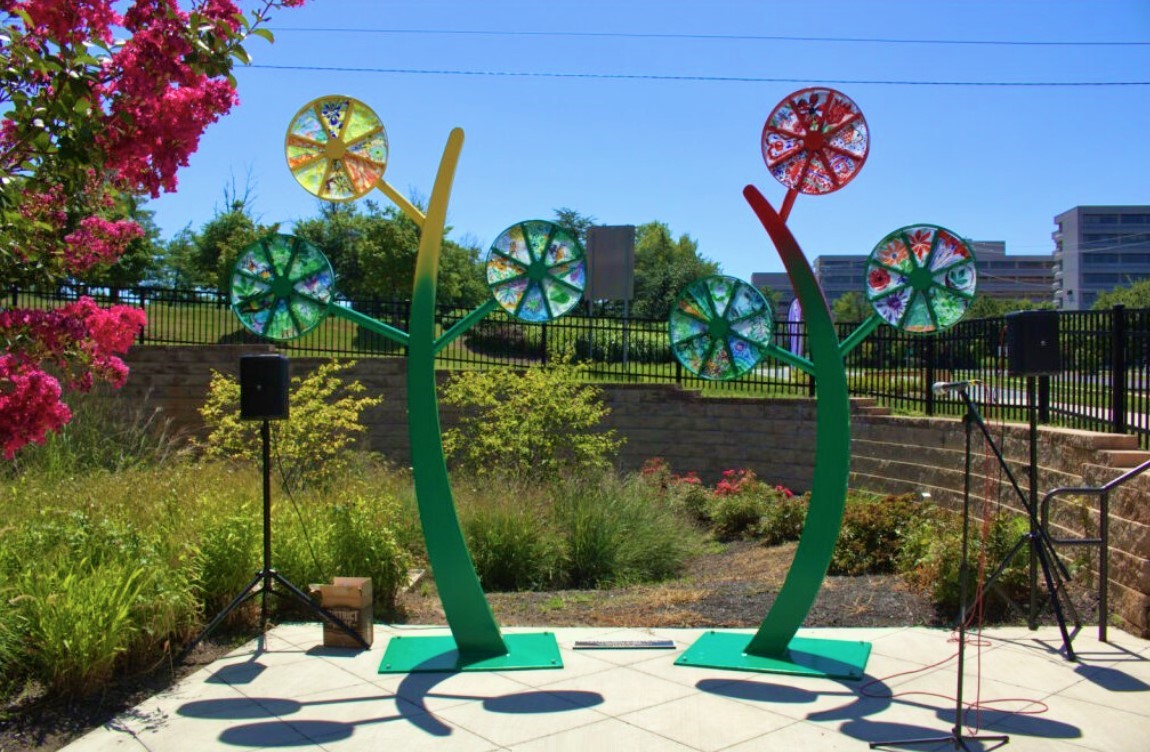
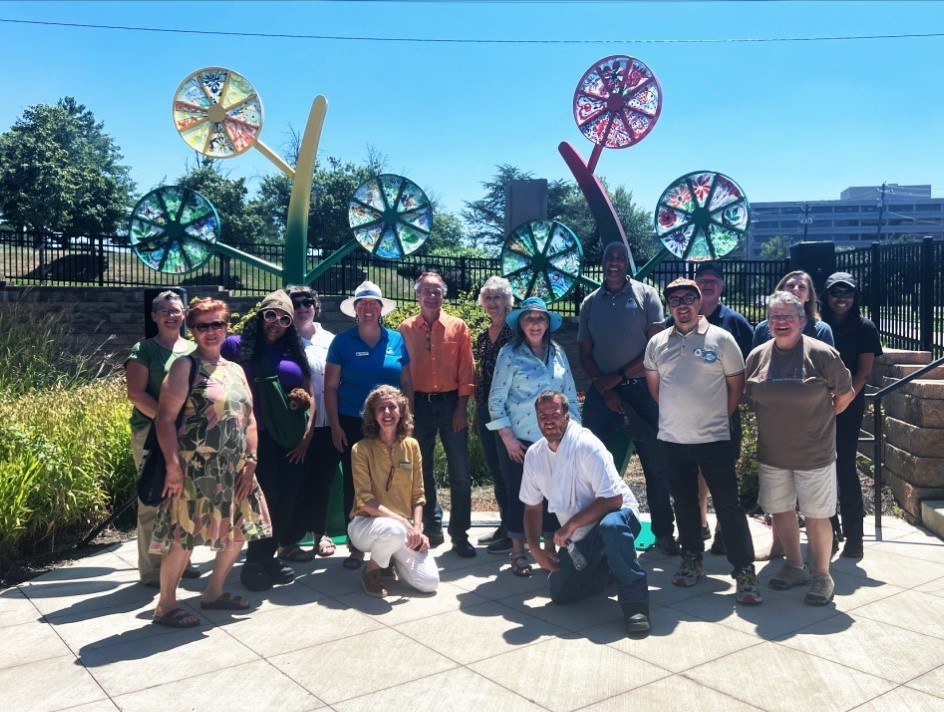
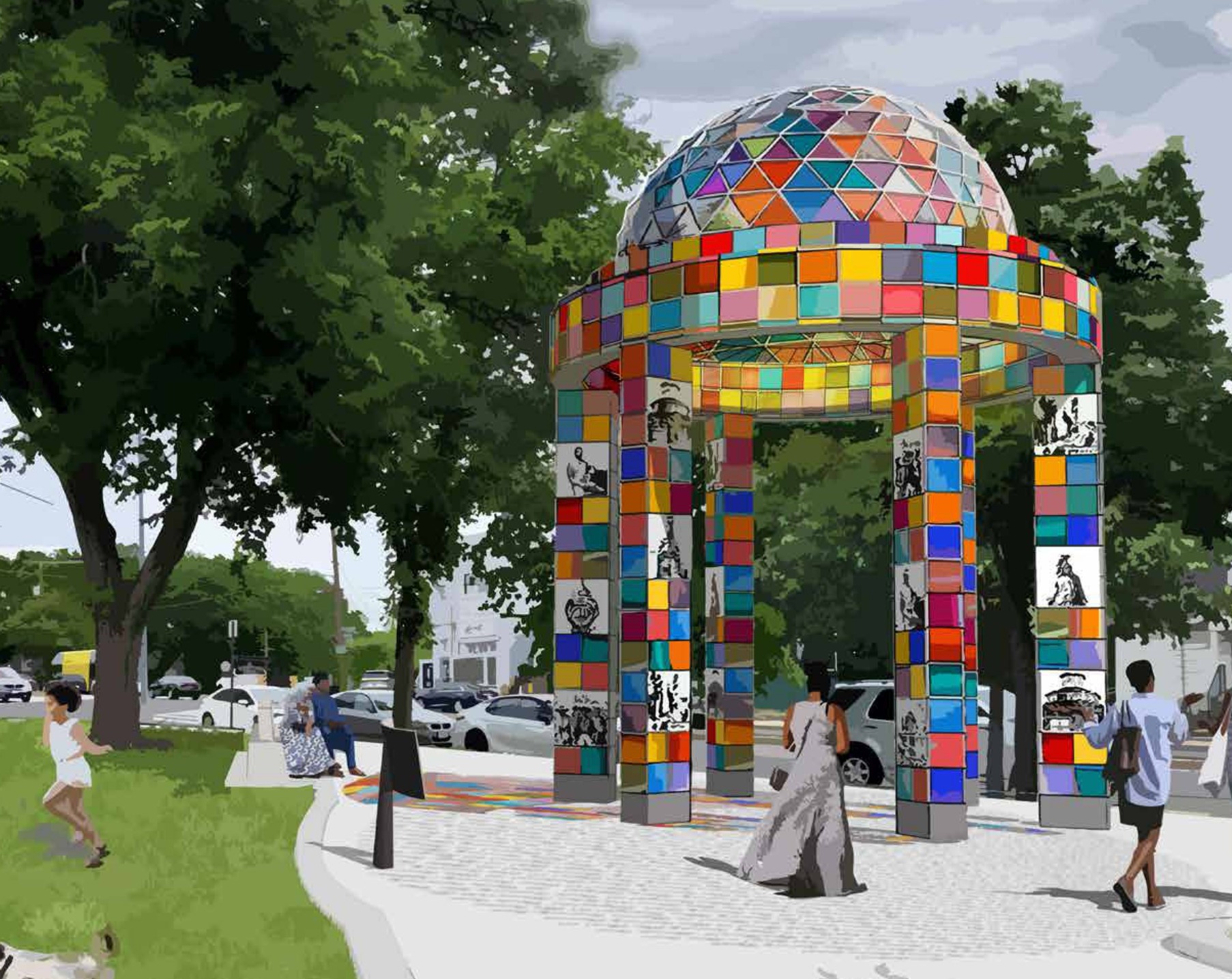
This past weekend, the City of Greenbelt, Maryland, celebrated the dedication of a stunning new public sculpture, The Beauty in a Garden Comes from More Than One Flower, created by Washington Glass School Co-Director and eco-artist Erwin Timmers.
Crafted from steel and recycled glass, the sculpture’s graceful petals carry a story far beyond their materials — they are the handiwork of the very community the artwork now welcomes. In a series of hands-on glass work sessions at the Washington Glass School in Mount Rainier, MD, residents of the new Motiva apartments and their Greenbelt neighbors joined Erwin in creating the vivid glass infill panels that make the piece glow with life and individuality.
“The concept was always about unity through diversity,” says Erwin. “Just like a garden thrives because it has many flowers, a community flourishes because of its different voices, talents, and hearts.”
The project, sponsored by Motiva, blossomed into more than just a public art commission — it became a joyful, collaborative journey. Over the course of multiple workshops, participants experimented with recycled glass, learned kiln-forming techniques, and left their personal creative mark on the sculpture.
The finished work now stands as both an artistic landmark and a symbol of connection — an invitation for all who pass by to remember that beauty is born from many hands working together.
💚 Washington Glass School is proud to have been part of this community-centered creation, bringing people into the making process and showing how recycled materials can tell vibrant new stories.
Congratulations to Erwin, to all the participating residents, and to Greenbelt Recreation Arts for championing public art that grows from — and for — the community.
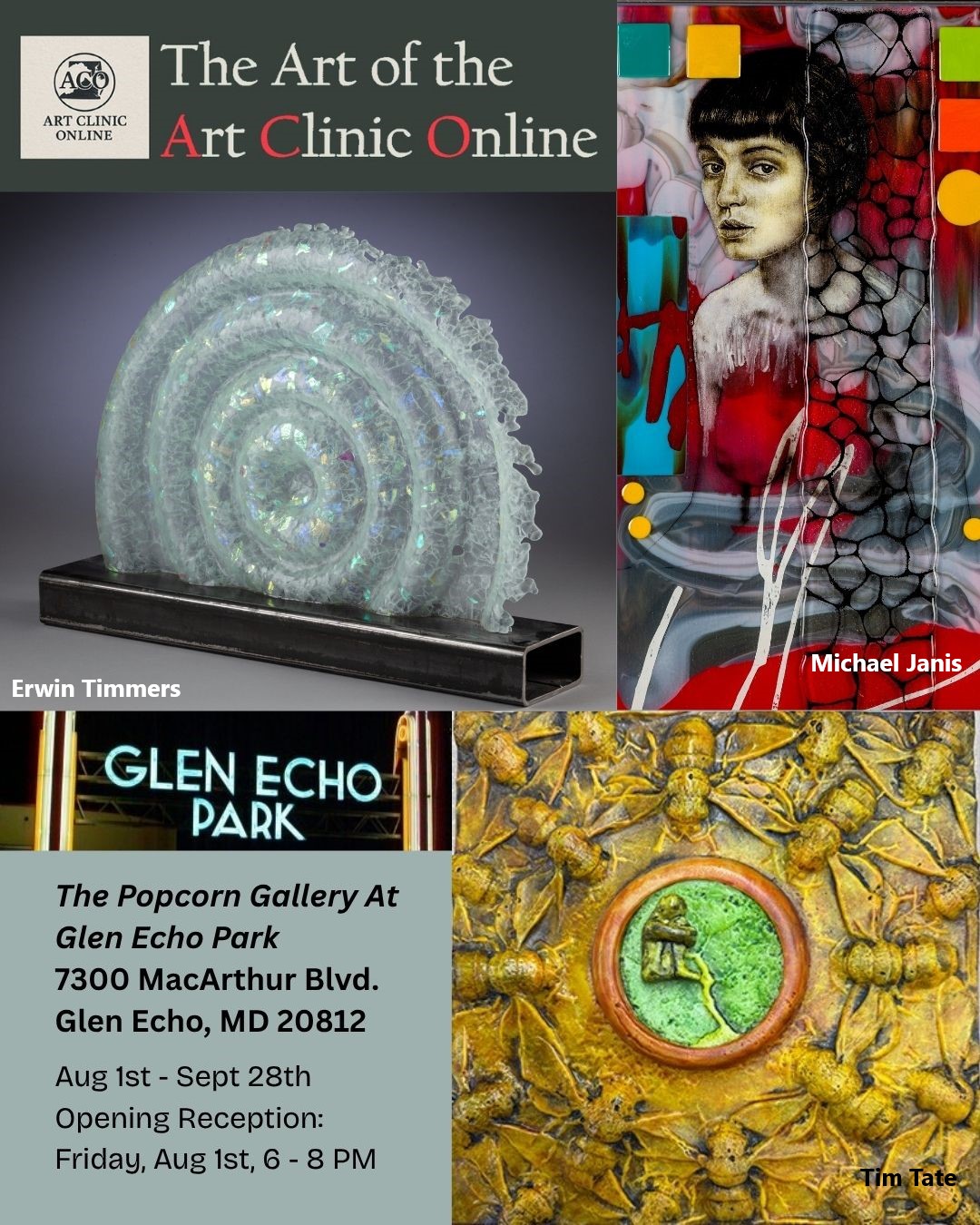
This Friday, August 1, The Art of the Art Clinic Online opens at Glen Echo Park’s Popcorn Gallery, showcasing an impressive lineup of over 30 artists from the DC-area Art Clinic Online (ACO) community—including Washington Glass School artists Erwin Timmers, Tim Tate, and Michael Janis.
Presented as part of Glen Echo’s First Friday Art Walk (6–8 PM), this group exhibition runs through September 28 and offers a compelling glimpse into the diversity of creative voices shaping the region.
📍 Popcorn Gallery Glen Echo Park 7300 MacArthur Blvd, Glen Echo, MD Free + open to the public
Founded in 2020, ACO has become a vibrant platform for community, conversation, and exchange among artists throughout the DMV. Every other Saturday, the group hosts online sessions where a featured artist presents their work and engages in lively dialogue with participants. The program’s inclusive spirit and broad range of voices are central to its mission—and now, those connections come off-screen and into the gallery space.
The Art of the Art Clinic Online is a reflection of the many practices and perspectives nurtured through ACO’s ongoing work, and we’re proud to see WGS artists included in this thoughtful and energetic survey.
Participating Artists Include: Blair Anderson, Maremi Andreozzi, Sondra Arkin, Julia Bloom, F. Lenox Campello, Eric Celarier, Aishwariya Chandrasekar, Schroeder Cherry, Jeffery Everett, Kate Fleming, Erin Fostel, Barbara Epstein Gruber, Ric Garcia, Sarah Jamison, Michael Janis, Robert Knudsen, Christine Lashley, Kyujin Lee, Laurel Lukaszewski, Akemi Maegawa, Dana Jeri Maier, Lindsay Mueller, Cory Oberndorfer, David Page, Erin Raedeke, Ephraim Rubenstein, Nicole M. Santiago, Tim Tate, Valerie Theberge, Erwin Timmers, Bennett Vadnais, Steve Wanna, Dawn Whitmore, and Andrew Wodzianski.
Make time to visit Glen Echo Park this summer—you’ll find a rich cross-section of the region’s creative talent and a strong sense of community threaded through every work on view.
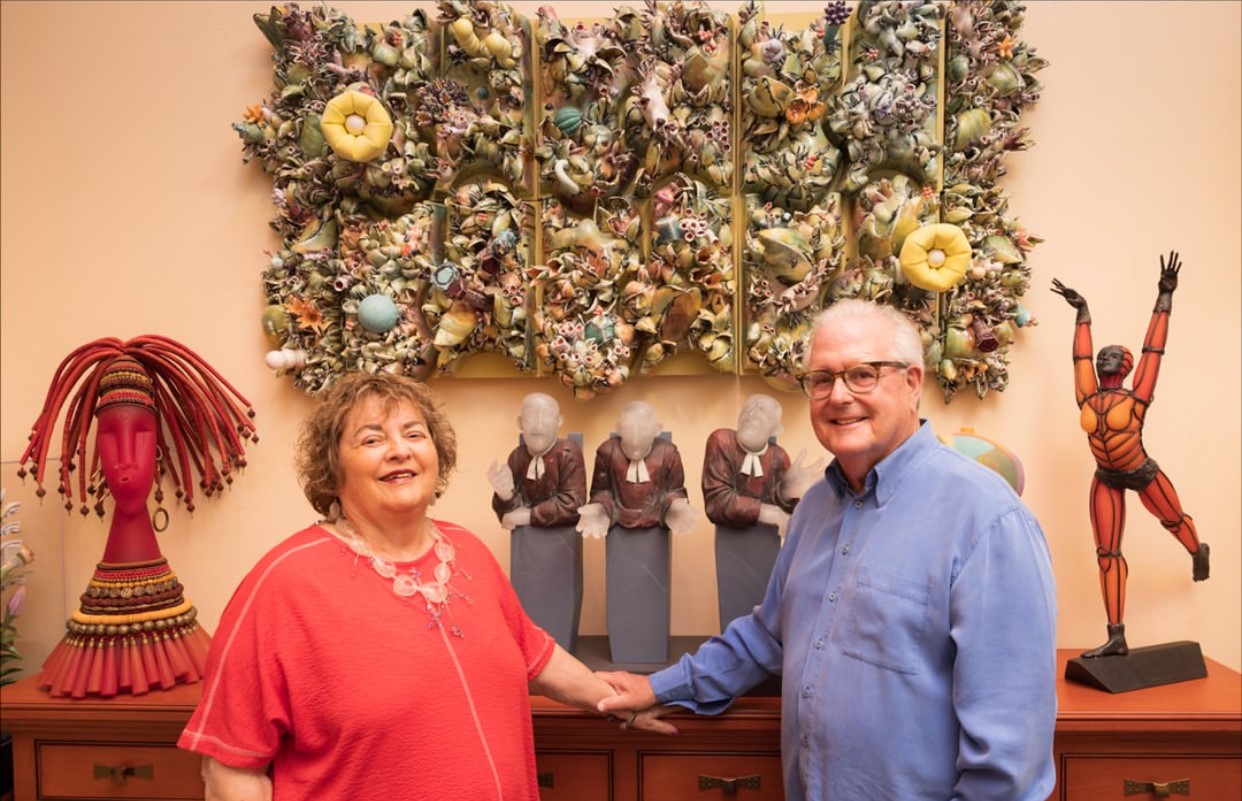
Washington Glass School is excited to share that co-directors Michael Janis and Tim Tate are among the artists included in a significant new acquisition by The Baker Museum in Naples, Florida. The museum has received The Dr. Laurence and Rita Sibrack Collection of Contemporary Glass and Ceramics, a gift that brings 74 works by 60 artists into the museum’s permanent collection.
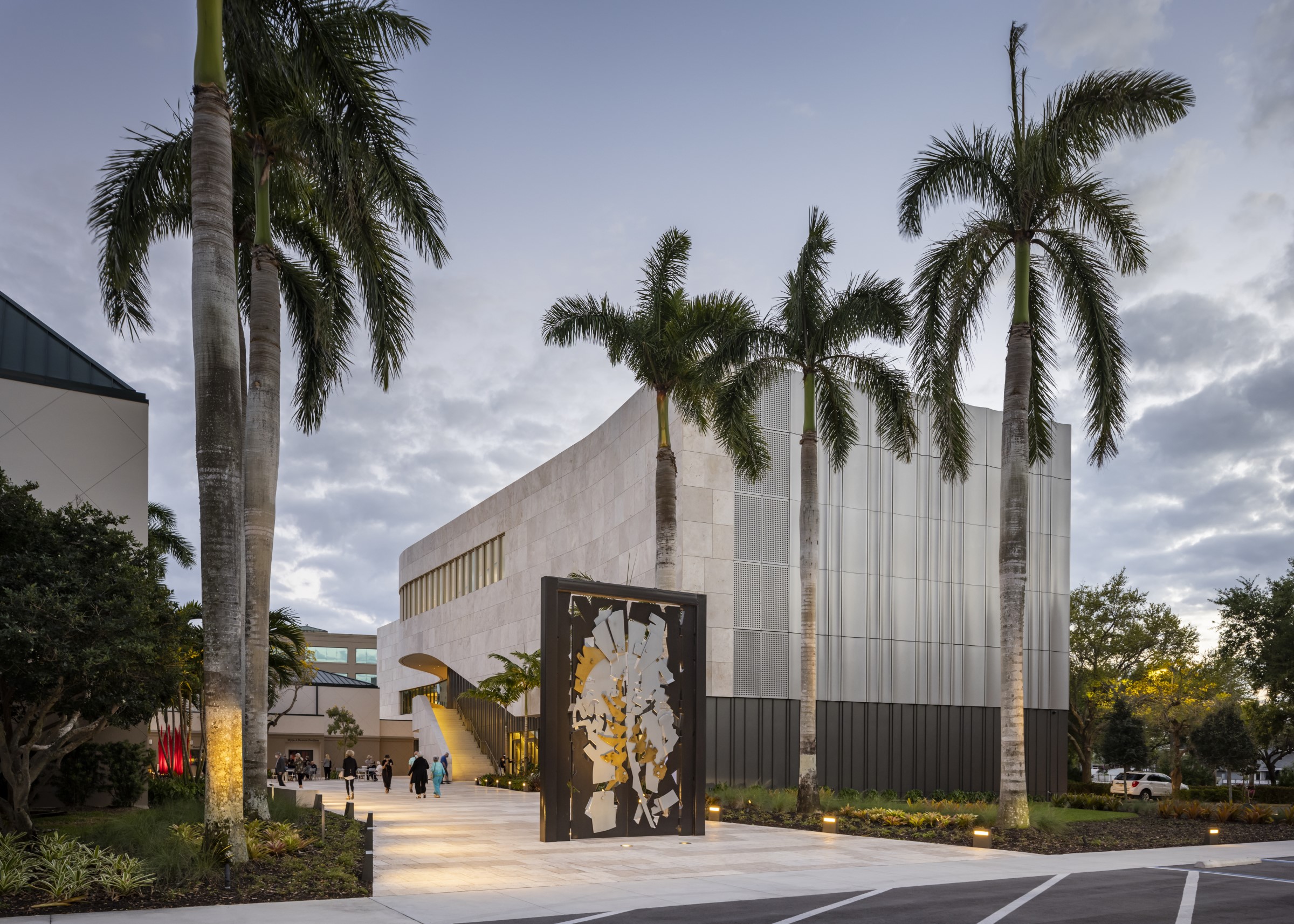
The Baker Museum in Naples, FL
The Sibrack Collection includes works by some of the most influential names in contemporary glass and ceramics, including Dale Chihuly, Judith Schaechter, Amber Cowan, Preston Singletary, Lucio Bubacco—and now, Michael Janis and Tim Tate. This collection spans nearly every major glass technique, from flame-worked to blown and cast, and reflects a deep appreciation for material, form, and light.
The Baker Museum’s decision to fully integrate these works into its broader holdings marks a continued shift in how museums value glass and ceramics—not as separate from fine art, but as essential parts of its story. For Janis and Tate, who have each spent decades advancing contemporary glass as a narrative and conceptual art form, this recognition is especially meaningful.
“Our work is about storytelling through material,” said Michael Janis. “Being included in a collection like this, which treats glass as a vehicle for meaning and not just decoration, affirms why we do what we do.”
Tim Tate added, “What the Sibracks have built is not just a personal collection—it’s a statement about the relevance and emotional range of glass today.”
Rita and Dr Laurence Sibrak
The Sibracks, longtime supporters of Artis—Naples, were first inspired by a 2000 exhibition of Chihuly’s work at the museum. Their decision to make this donation stems from a long commitment to both the institution and the idea that art should be lived with, shared, and accessible to all.
This acquisition places the work of two DC-based artists into one of the most respected collections in the region, further establishing the impact of the Washington Glass School on the national stage. We’re proud to see Michael and Tim’s work recognized alongside such powerful voices in the field and grateful to the Sibracks and the Baker Museum for helping bring greater visibility to the language of glass.
The collection will be celebrated in the upcoming exhibition “The Passion of Collecting: Stories in Glass and Ceramics from the Sibrack Collection,” opening January 10, 2026 at The Baker Museum and remaining on view through the fall.
Following is a complete list of artists in the The Dr. Laurence and Rita Sibrack Collection of Contemporary Glass and Ceramics: Dean Allison, Adrian Arleo, Michael Behrens, Susan Beiner, Alex Bernstein, Charles Birbaum, Christina Bothwell, Peter Bremers, Emily Brock, Lucio Bubacco, Jim Budde, Nancy Callan, Dale Chihuly, A-Mi Choi, Amber Cowan, Dan Dailey, Stefen Dam, Laura Donefer, Michael Glancy, Peter Hora, Agnes Husz, Jannet Iskander, Martin Janecky, Michael Janis, William Kidd, Sabrina Knowles, Velarde Kukuli, K. William LeQuier, Dianne Martin Lublinski, Emma Luna, Robert Mickelsen, Shelley Muzylowski Allen, Harumi Nakashima, Sybelle Peretti, Lindsay Pichaske, Jenny Pohlman, Clyfford Rainey, David Regan, Colin Reid, Ross Richmond, George Rodriquez, Davide Salvadore, Judith Schaechter, Livio Seguso, Preston Singletary, Carmen Spera, Kristen Stingle, April Surgent, Matthew Szösz, Etsuko Tashimu, Tim Tate, Tip Toland, Margit Tóth, Hidenori Tsumori, Sam Tuffnell, Janusz Walentynowicz, Patti Warashina, Ann Wolff, Loretta Yang and Mary Ann Zynsky.
To learn more about the museum and the artists in the collection, visit artisnaples.org.
Washington Glass School resident artist John Henderson’s captivating glass artwork is featured in the upcoming exhibition The Evidence of Things Now Seen, presented by Black Artists of DC (BADC) and Tres Raíces Arts. This powerful show, running from Saturday, May 24, 2025, to Tuesday, June 17, 2025, at Arena Stage at the Mead Center for American Theater (1101 6th Street, SW, Washington, DC), celebrates the richness of Black life through themes of belonging, equality, legacy, liberation, love, and joy.
Jon Henderson, kiln fused glass on exhibit at Arena Stage
Curated by Gia Harewood, the exhibition draws inspiration from the profound legacy of American writer and civil rights activist James Baldwin, whose work fearlessly illuminated truths about identity and humanity. John Henderson’s glass art, known for its color and emotive depth, resonates deeply with these themes, offering viewers a unique perspective on the Black experience through the transformative medium of glass.
A special talk about the works will take on June 11, 2025, from 6:30–7:30 PM, about the stories behind the works. Don’t miss this opportunity to experience John Henderson’s artistry and the collective brilliance of BADC and Tres Raíces Arts in this inspiring exhibition.
Event Details: The Evidence of Things Now Seen
Exhibition Dates: May 24–June 17, 2025
Location: Arena Stage, 1101 6th Street, SW, Washington, DC
Talk: June 11, 2025, 6:30–7:30 PM
Celebrate Black creativity and explore “The Evidence of Things Now Seen”. Click HERE to see online catalog of the show!
Washington Glass School resident artist Patricia de Poel Wilberg will be featured in the upcoming “New Connections in Glass” exhibit at the Ice House Gallery in Berkeley Springs, WV. Curated by Maureen Storey, the show runs from May 30 to July 27, 2025, with an Opening Reception on Saturday, May 31, from 6:30 – 8:30 PM.
The exhibition brings together eight exceptional glass artists exploring diverse techniques and perspectives within the medium. Each artist offers a unique lens into the many ways glass can be transformed, manipulated, and used to tell visual stories.
Patricia de Poel Wilberg’s work continues to captivate with her painterly approach to glass. For this exhibit, Patricia debuts a vibrant new series of figurative panels celebrating noted women artists throughout history. These tributes aren’t just portraits—they’re rich, layered interpretations that reference each subject’s distinctive art and style, translated into glass.
Patricia de Poel Wilberg working on her new glass artwork series
Using vitreous enamels and kiln-formed glass, Patricia meticulously builds her panels through multiple firings, fusing and reforming components to create dynamic narratives. Her newest works honor the legacies of women whose creative voices have shaped the art world—brought to life in color, texture, and light.
Evolution of Patricia’s glass artwork tribute to Yayoi Kusama. (The Japanese artist known for their signature use of polka dots and large-scale installations.)
“I wanted to show how the spirit of these artists can be reinterpreted through the language of glass,” Patricia explains. “Each panel is a conversation between their work and mine.”
Featured artists in the show include: Elizabeth Braun Rachel Brooks Mark Hill Sharon Moffitt Patricia de Poel Wilberg Laurie Madsen Snarr Maureen Storey Nancy Weisser
We encourage everyone to make the trip to the scenic Ice House Gallery to see this remarkable collection and to support Patricia and her fellow artists. It’s sure to be a stunning and inspiring celebration of innovation in glass.
New Connections in Glass May 30 – July 27, 2025 Opening Reception: Saturday, May 31, 6:30 – 8:30 PM Ice House Gallery 138 Independence Street, Berkeley Springs, WV 25411 www.icehousecoop.com
National Building Museum, 401 F Street NW, Washington, DC 20001
Step into the world of architecture, design, and history at the National Building Museum in Washington, D.C. Located at 401 F Street NW, just four blocks from the National Mall.
WGS leads workshop at the National Building Museum.
Washington Glass School Event! : A Maker’s Workshop: The Art of Mosaics Join Graciela Granek from The Washington Glass School for a hands-on mosaic workshop inspired by the Visible Vault exhibition. Two sessions are available on May 17: 10:15 a.m.–12:15 p.m. and 2:00 p.m.–4:00 p.m. (NOTE: Both sessions are now SOLD OUT!!) Don’t miss the chance to explore the stories of the world we design and build. Visit the National Building Museum and be inspired!
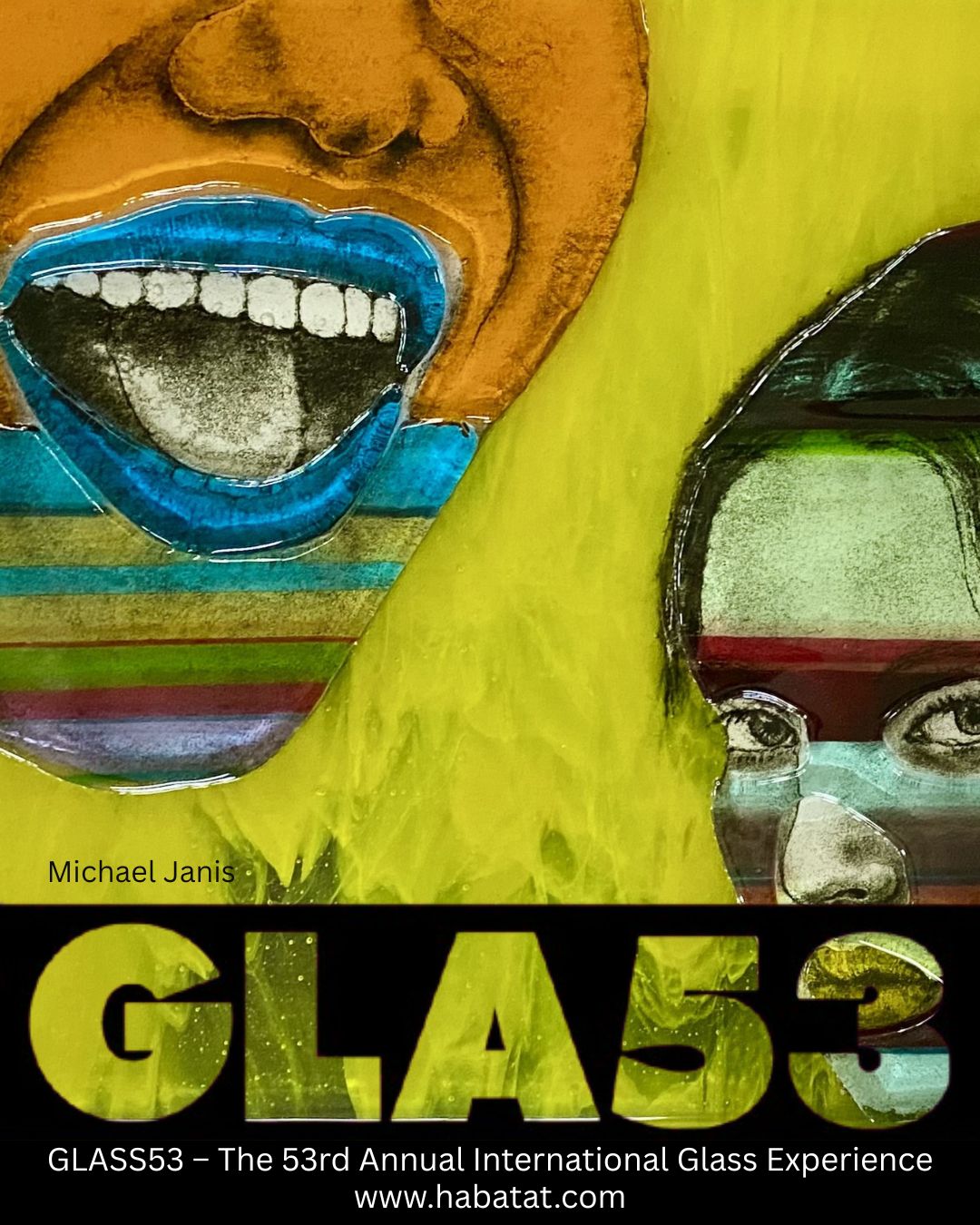
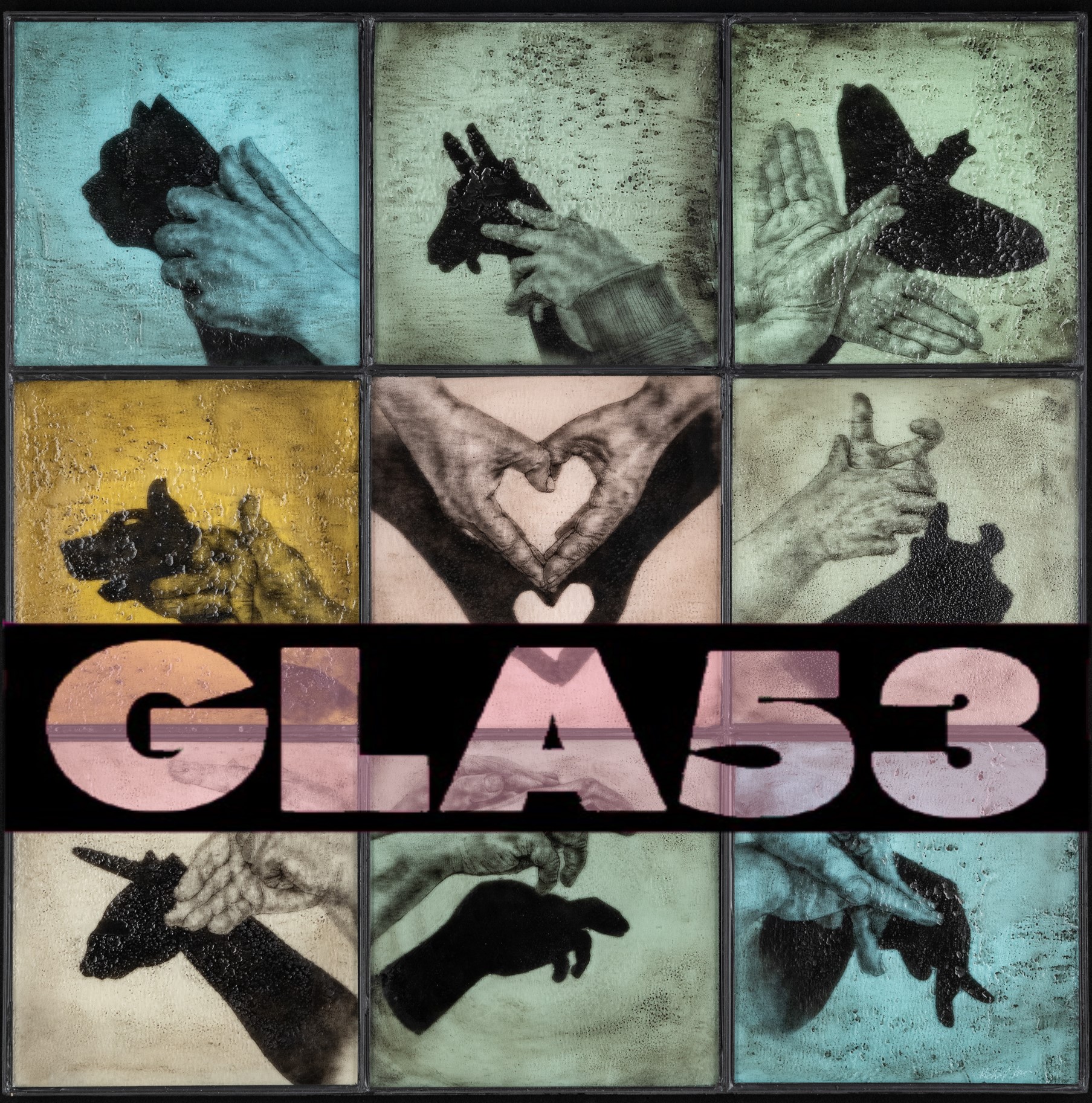
WGS artist Michael Janis’ new works are featured int Glass 53. Image by Pete Duvall.
Glass53 is the largest and oldest annual glass art experience in the world. Now in its 53rd year, Habatat Galleries in Royal Oak, Michigan, presents an extraordinary gathering of the work of over 100 artists from over 30 countries. Each artist is a visionary whose mastery of glass transcends mere materiality to embody light, texture, and form in ways that captivate the soul. Habatat seeks to honor not only the works themselves but also the journeys of those who create them. This year’s exhibition is not just a showcase; it’s a living narrative of glass as an ever-evolving art form. From the grand halls of the world’s most prestigious museums to the cultural zeitgeist, glass has emerged from the shadows of traditional craftsmanship into the forefront of contemporary discourse. The featured artists are pioneers and storytellers, each bringing a unique perspective to the medium through bold abstraction, intricate realism, or conceptual deconstruction.
Glass53 Booklet (learn all about Glass53): Click HERE
Glass 53 Invited Artists: Shelley M. Allen, Anthony Amoako-attah, Herb Babcock, Michael Behrens, Alex Bernstein, Martin Blank, Jen Blazina, Christina Bothwell, Geoffrey Bowton, Jannah Bowlus, Latchezar Boyadjiev, Peter Bremers, Karen Browning, Nancy Callan, Eunsuh Choi, Deanna Clayton, Amber Cowan, Simone Crestani, Christopher Day, Cheryl Derricotte, Minhi England, Hannah Gibson, Susan Taylor Glasgow, Wilfried Grootens, Baldwin & Guggisberg, Kim Harty, David Huchthausen, Krista Israel, Tim Jaeger, Michael Janis, Karen Willenbrink-Johnsen, Richard Jolley, Brent Kee Young, Claire Kelly, Kelly O’Dell, Steve Klein, Vladimira Klumpar, Eriko Kobayashi, Laura Kramer, Jiyong Lee, Steve Linn, Littleton & Vogel, László Lukácsi, Boldizsár Lukácsi, Lucy Lyon, Dylan Martinez, Robert Mickelsen, John Miller, Lukas Mjartan, James Mongrain, Karin Mørch, Josepha Gasch-Muche, Kathleen Mulcahy, Barbara Nanning, David Patchen, Maytas Pavlik, Sibylle Peretti, Pohlman & Knowles, Stephen Rolfe Powell, Colin Reid, Kait Rhoads, Bruno Romunelli, Marlene Rose, Martin Rosol, Richard Royal, Toland Sand, Thomas Scoon, John Sharvin, Judith Schaechter, Jeremy Sinkus, Paul Stankard, Ethan Stern, April Surgent, Lino Tagliapietra, Takizawa Kazuki, Michael Taylor, Bensen & Theofanous, Stephanie Trenchard, Carmen Vetter, Elliot Walker, & Trina Urrata Weintraub.
53nd Annual International Glass Invitational Award Exhibition GLASS53
May 3, 2025 – Sep 19, 2025
Habatat Galleries 4400 Fernlee Ave Royal Oak, MI 48073
The recent order from President Trump to rescind DEI (Diversity, Equity, and Inclusion) programs has led to a noticeable downplaying of Black History Month across government agencies. The U.S. State Department, for instance, has prohibited public events or messages celebrating the month, which has been a staple of American culture since the 1970s.
Michael Janis’ design for DC Ward 5 Memorial
In contrast, local organizations in Washington, DC, are stepping up to honor Black history and contributions. The Lamond Riggs Library Friends, in collaboration with the DC Office of Planning, is hosting Foundations of Freedom: Recognizing the Enslaved People Who Built the U.S. Capitol. This special event will introduce WGS Director Michael Janis’ design for a new DC Memorial to Honor the Enslaved People Who Built the U.S. Capitol for Ward 5. Along with DC’s Office of Planning staff, Michael will offer an overview of a public art proposal. The program will include storytelling, a discussion of the design process, and a Q&A session to engage the community.
Thursday, February 6, 2025 from 1 pm – 3 pm @ Lamond-Riggs DC Public Library, 5401 South Dakota Ave NE, WDC.
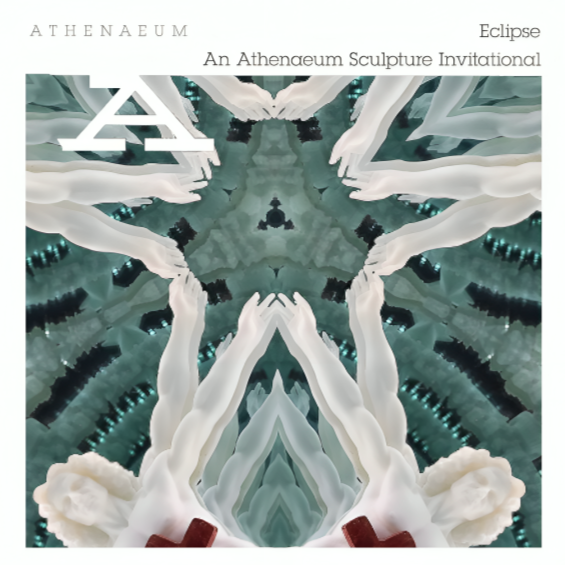
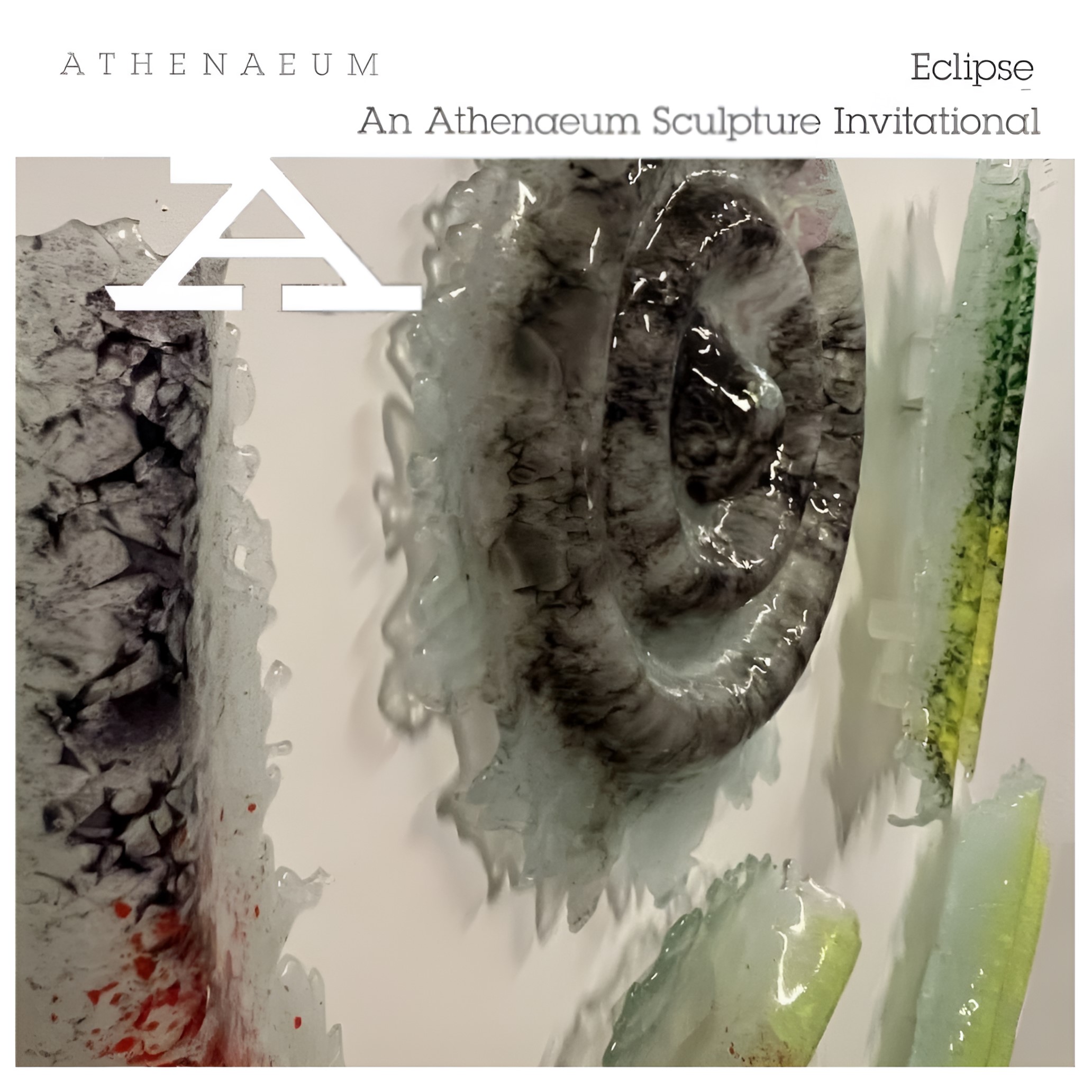
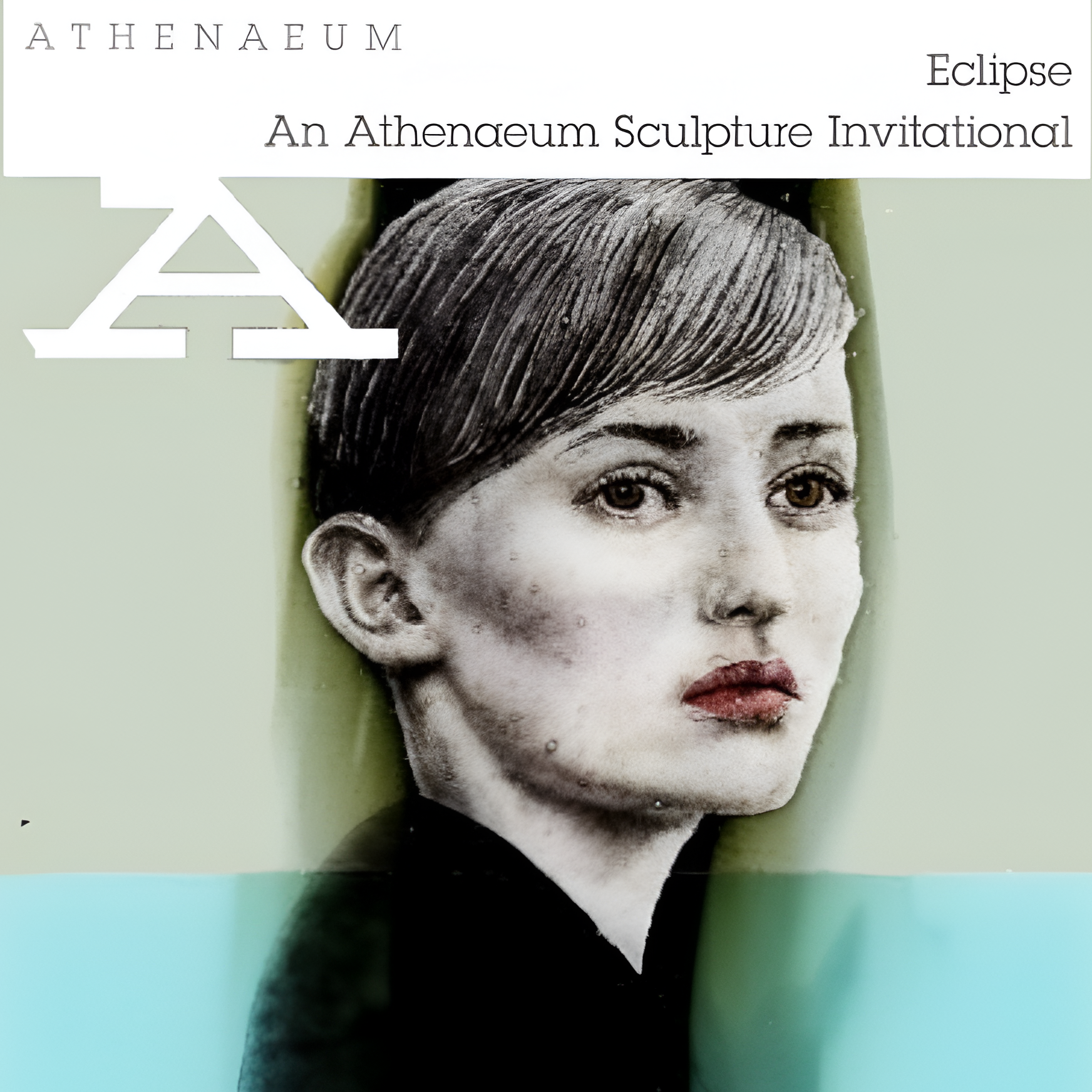
Curated by Alison Sigethy and produced by Veronica Szalus, “Eclipse” is an invitational sculpture show opening Jan 16th at the Athenaeum that examines light and shadow, liminal space, and the passage of time.
An exhibition titled “Eclipse” evokes themes of transformation, obscuration, revelation, and the interplay of light and shadow. The works of Washington Glass School artists Tim Tate, Erwin Timmers, and Michael Janis seems to fit so seamlessly into such a thematic framework, each offering a unique interpretation of these ideas through their distinct techniques and narratives.
Detail of Tim Tate’s work in the “Eclipse” exhibit
Tim Tate is known for combining traditional glass craft with modern video elements and digital media to create mixed-media sculptures that explore themes of memory, mortality, and the passage of time. His works often embody themes of transformation, obscuration, revelation, and the interplay of light and shadow. In this exhibition, Tate’s work symbolizes the moment of revelation that occurs during an eclipse, where hidden truths or forgotten histories come to light. His lenticular prisms that shift between imageries effectively capture the fleeting moment of an eclipse where light is temporarily blocked yet still visible in other forms. Said Tate: “In my lenticular series, I aim to capture the nature of memory and perception. By layering multiple images within a single lens, I create a sense of depth and dimensionality that shifts and changes as the viewer moves.”
Detail of Erwin Timmer’s cast recycled glass artwork featured in “Eclipse” exhibit.
Erwin Timmers is deeply committed to environmental sustainability, and his works crafted from recycled glass introduce a theme of renewal and regeneration within the “Eclipse” exhibition. Timmers uses discarded materials to create beautiful forms, highlighting the potential for transformation in the most unexpected places—much like an eclipse, which temporarily alters perception and understanding. His work often conveys a narrative of reclaiming what is cast aside, fitting well into the exhibition’s overarching theme of cycles of destruction and rebirth. Once destined for landfills, the recycled materials are reborn as testaments to the power of transformation and the importance of reexamining our relationship with the natural world. Timmers’ recycled glass sculptures also play with light, given the translucent nature of glass, adding a dynamic interplay of illumination and shadow. Said Timmers about his work in the Eclipse series: “I explore the intersection of environmental waste and beauty. By casting discarded materials into sensuous forms, I aim to reveal the beauty hidden within the discarded and the forgotten. As we stand at the edge of ecological crisis, I believe that art can serve as a catalyst for change, inspiring us to reimagine our place within the delicate balance of the ecosystem.”
Detail of Michael Janis’ “A New Dawn” glass artwork featured in “Eclipse” exhibit.
Michael Janis’ sgraffito glass portraits, which often explore identity, human emotion, and societal themes, align with the “Eclipse” theme by focusing on the layers of human experience and the partial obscuration of self. His technique of layering powdered glass to create complex imagery is akin to the way an eclipse gradually reveals or conceals—shadows and light playing across the surface, revealing deeper meanings. His works evoke the internal eclipses we face—moments where parts of ourselves or our histories are hidden or revealed depending on the perspective or light shed on them. Janis’ portraits also symbolize the personal and psychological aspects of an eclipse, dealing with identity, transformation, and the hidden aspects of the self that come to light.
Said Janis of his frit powder portraits: “Each element of my artwork serves as a kind of representation of the chaotic nature of human existence. By abstracting the realistic figures, I highlight the intricate layers that shape our identities, both internal and external. These divisions symbolize the diverse aspects of our personalities, experiences, and cultural influences that converge within a single being.”
Eclipse An Athenaeum Sculpture Invitational Curated by Alison Sigethy January 16, 2025 – February 23, 2025 Artist Reception: Friday, January 17, 6 – 8 pm Artist Talk: Sunday, February 23, 2 pm Participating artists: Michael Janis Lori Katz Mike Price Carol Prusa Sarah Hood Salomon Salih Zeki Sayar Murat Sener Michael Enn Sirvet Tim Tate Erwin Timmers Maduka Uduh
The Athenaeum is home to the Northern Virginia Fine Arts Association (NVFAA), an organization dedicated to the maintenance and preservation of the building and the celebration of regional arts. The Athenaeum Gallery 201 Prince Street, Alexandria, VA 22314