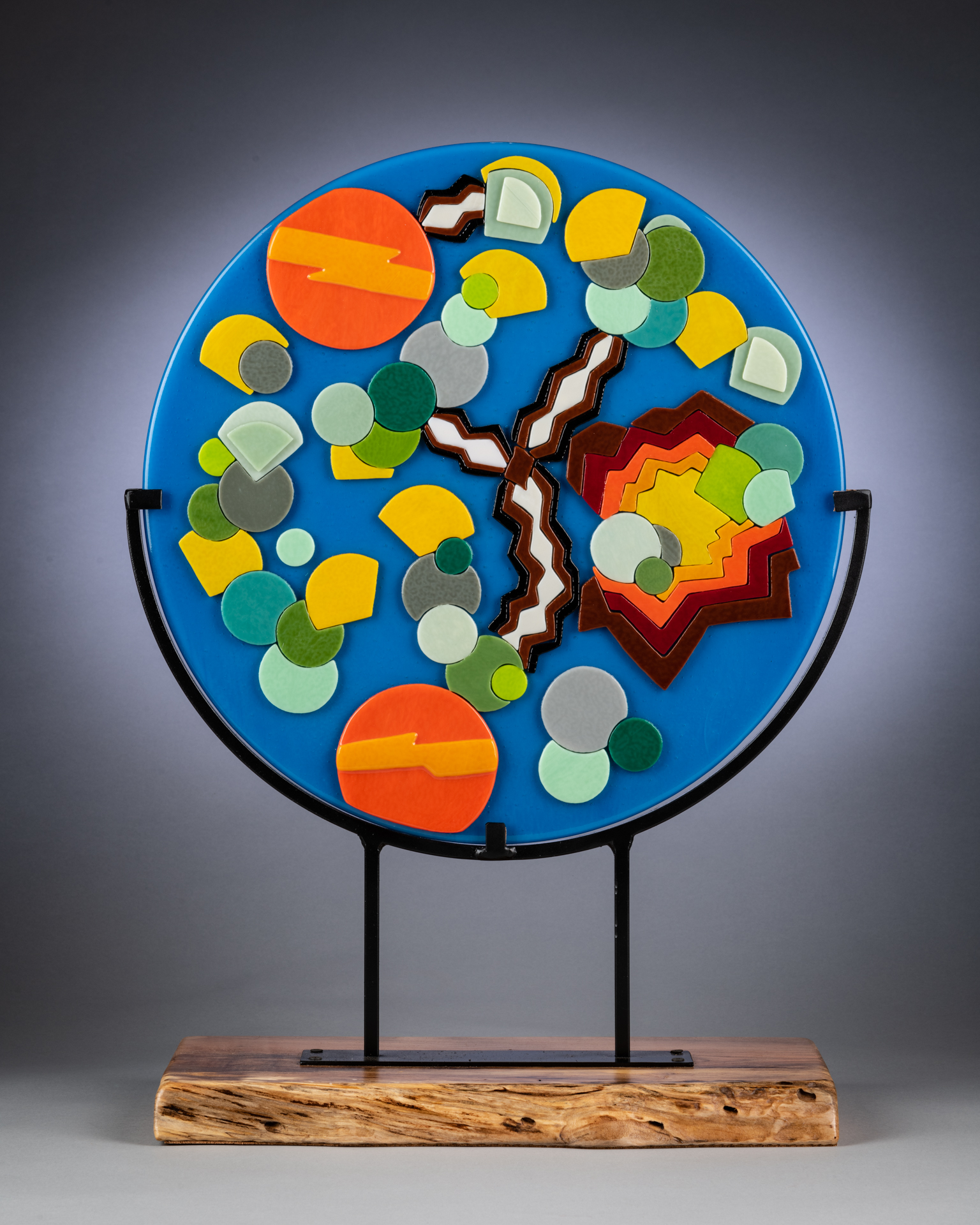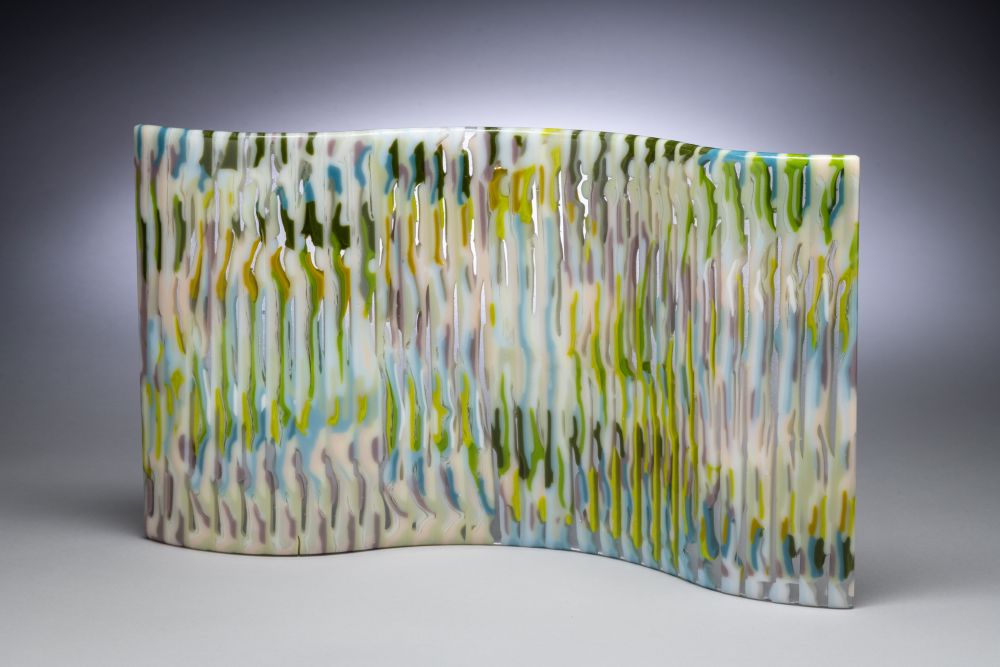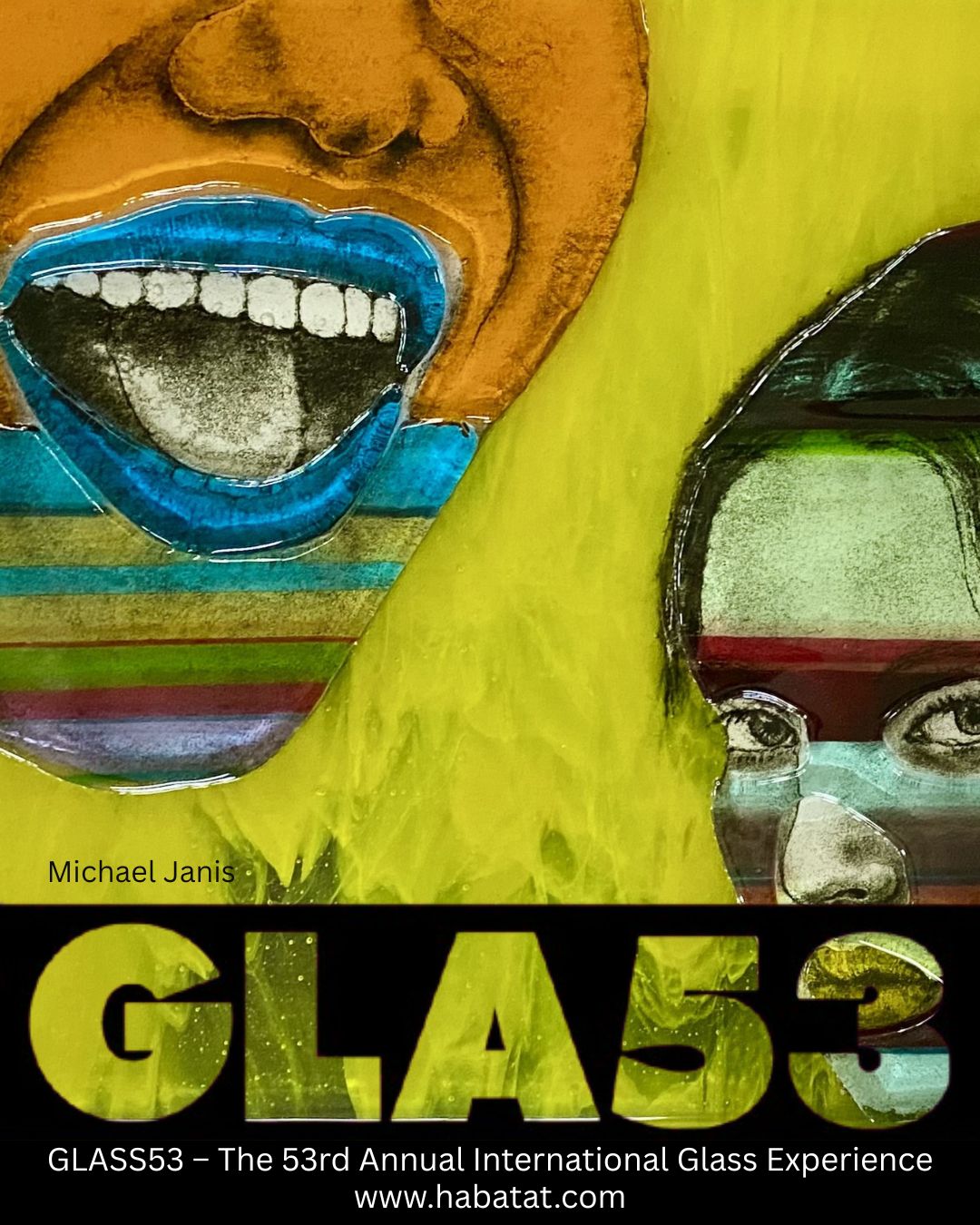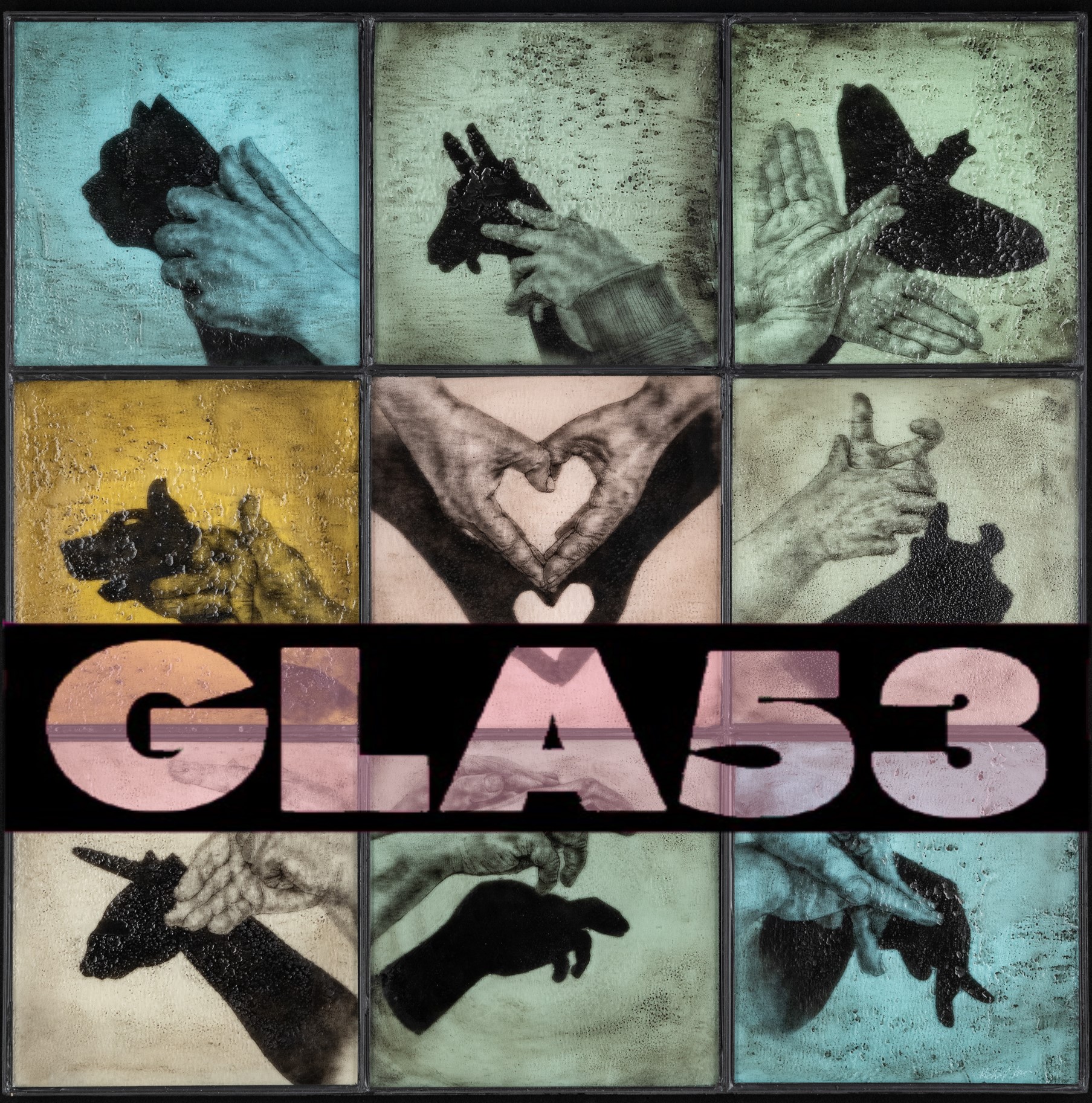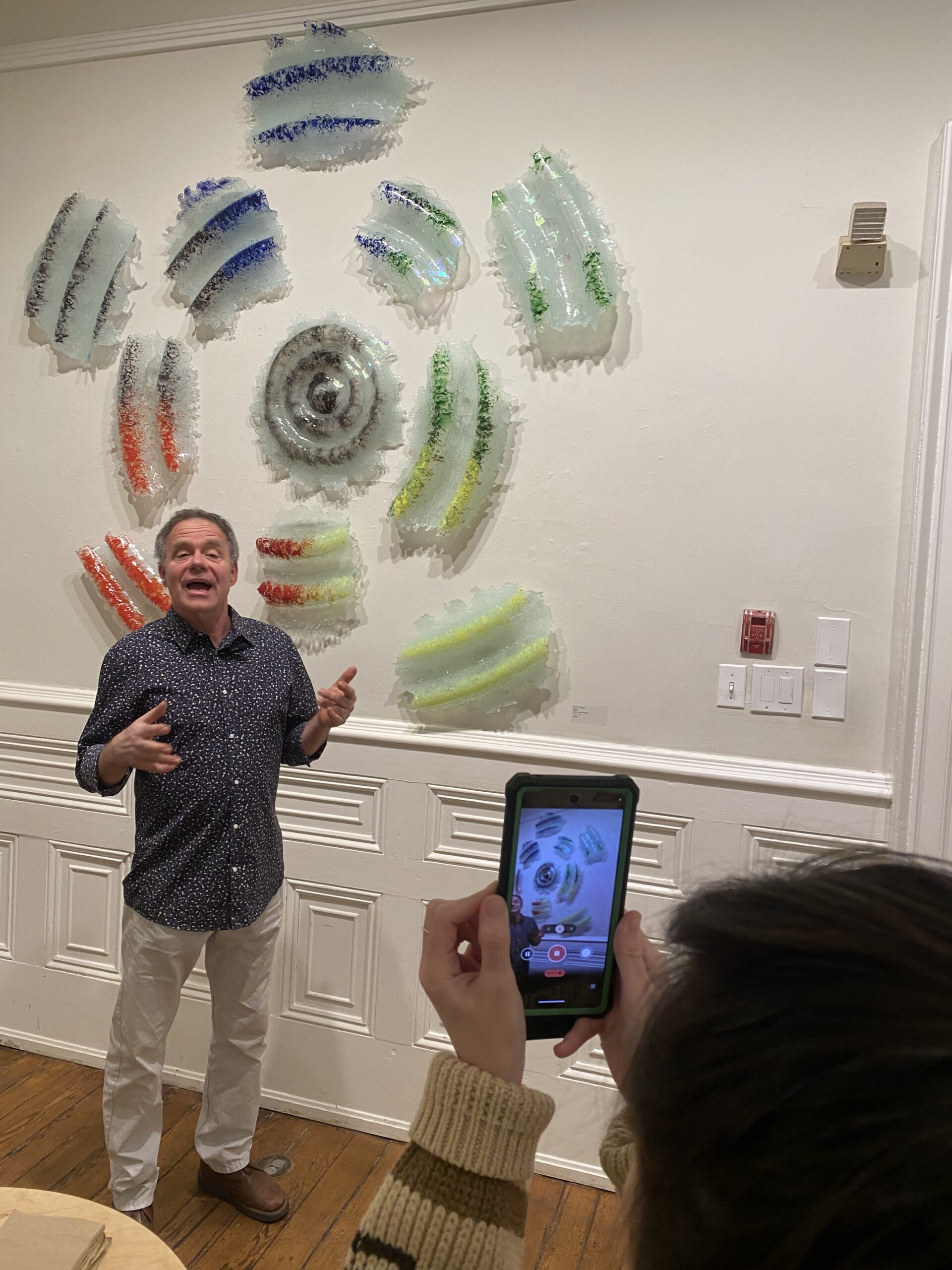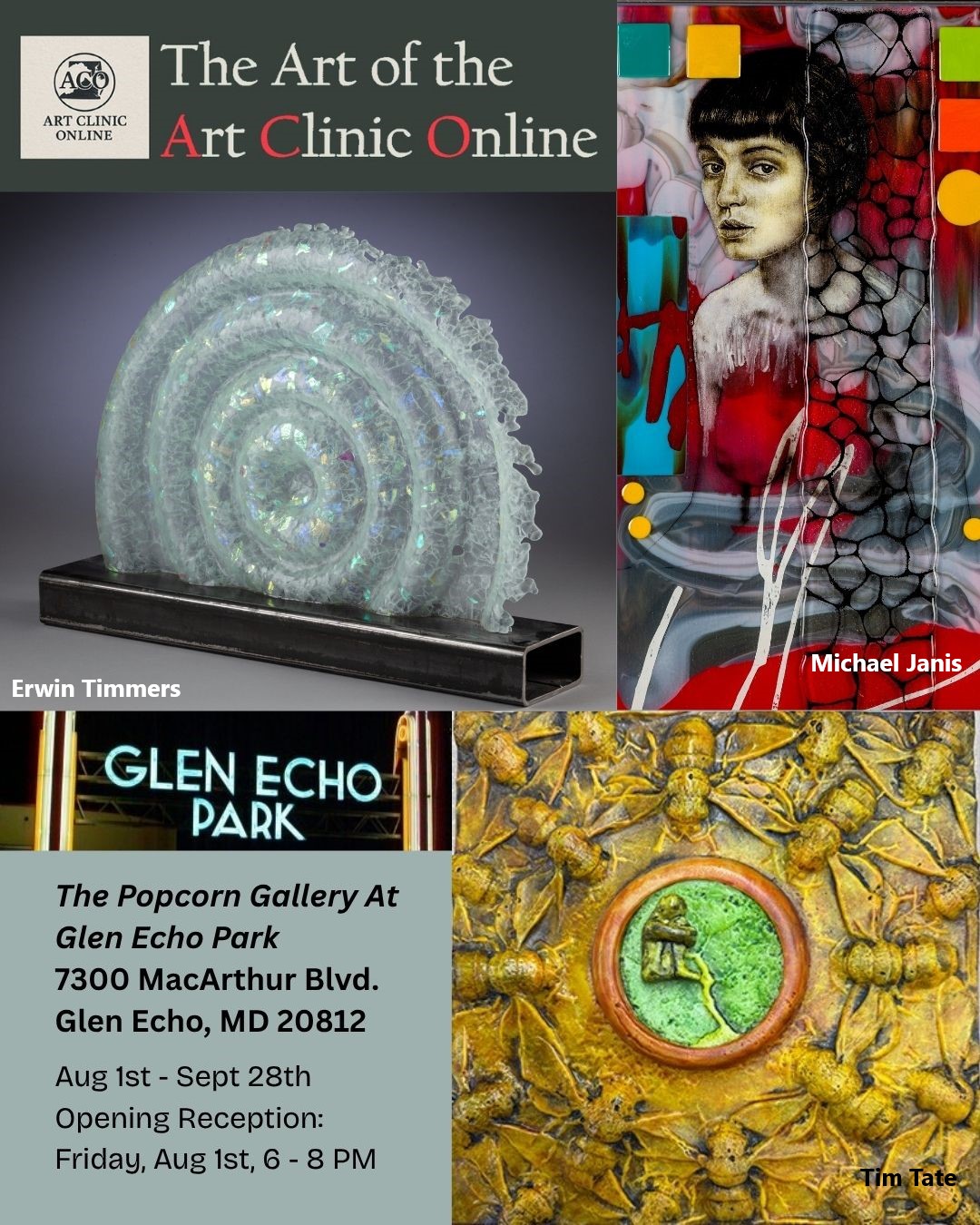
This Friday, August 1, The Art of the Art Clinic Online opens at Glen Echo Park’s Popcorn Gallery, showcasing an impressive lineup of over 30 artists from the DC-area Art Clinic Online (ACO) community—including Washington Glass School artists Erwin Timmers, Tim Tate, and Michael Janis.
Presented as part of Glen Echo’s First Friday Art Walk (6–8 PM), this group exhibition runs through September 28 and offers a compelling glimpse into the diversity of creative voices shaping the region.
📍 Popcorn Gallery
Glen Echo Park
7300 MacArthur Blvd, Glen Echo, MD
Free + open to the public
Founded in 2020, ACO has become a vibrant platform for community, conversation, and exchange among artists throughout the DMV. Every other Saturday, the group hosts online sessions where a featured artist presents their work and engages in lively dialogue with participants. The program’s inclusive spirit and broad range of voices are central to its mission—and now, those connections come off-screen and into the gallery space.
The Art of the Art Clinic Online is a reflection of the many practices and perspectives nurtured through ACO’s ongoing work, and we’re proud to see WGS artists included in this thoughtful and energetic survey.
Participating Artists Include:
Blair Anderson, Maremi Andreozzi, Sondra Arkin, Julia Bloom, F. Lenox Campello, Eric Celarier, Aishwariya Chandrasekar, Schroeder Cherry, Jeffery Everett, Kate Fleming, Erin Fostel, Barbara Epstein Gruber, Ric Garcia, Sarah Jamison, Michael Janis, Robert Knudsen, Christine Lashley, Kyujin Lee, Laurel Lukaszewski, Akemi Maegawa, Dana Jeri Maier, Lindsay Mueller, Cory Oberndorfer, David Page, Erin Raedeke, Ephraim Rubenstein, Nicole M. Santiago, Tim Tate, Valerie Theberge, Erwin Timmers, Bennett Vadnais, Steve Wanna, Dawn Whitmore, and Andrew Wodzianski.
Make time to visit Glen Echo Park this summer—you’ll find a rich cross-section of the region’s creative talent and a strong sense of community threaded through every work on view.