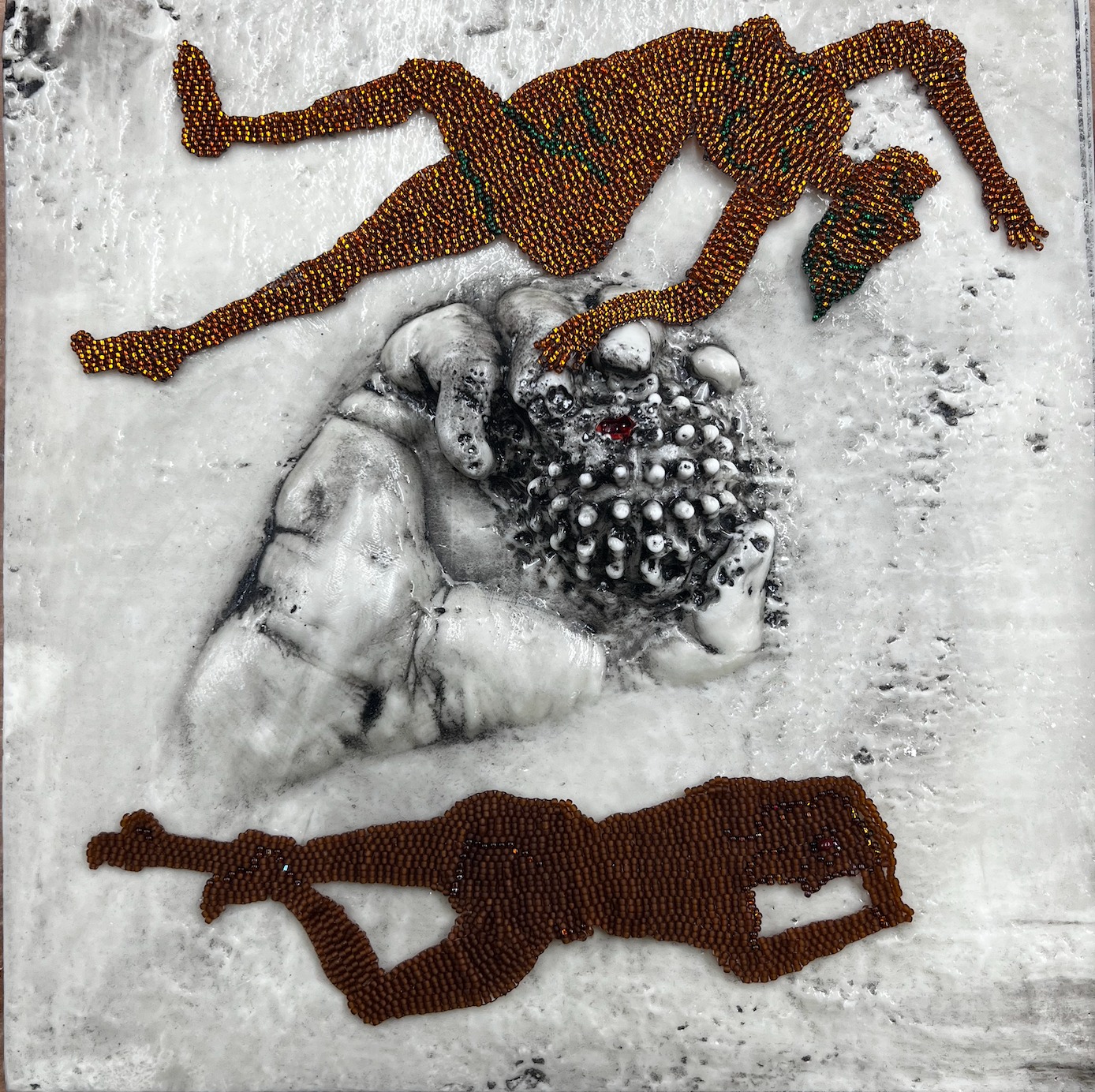
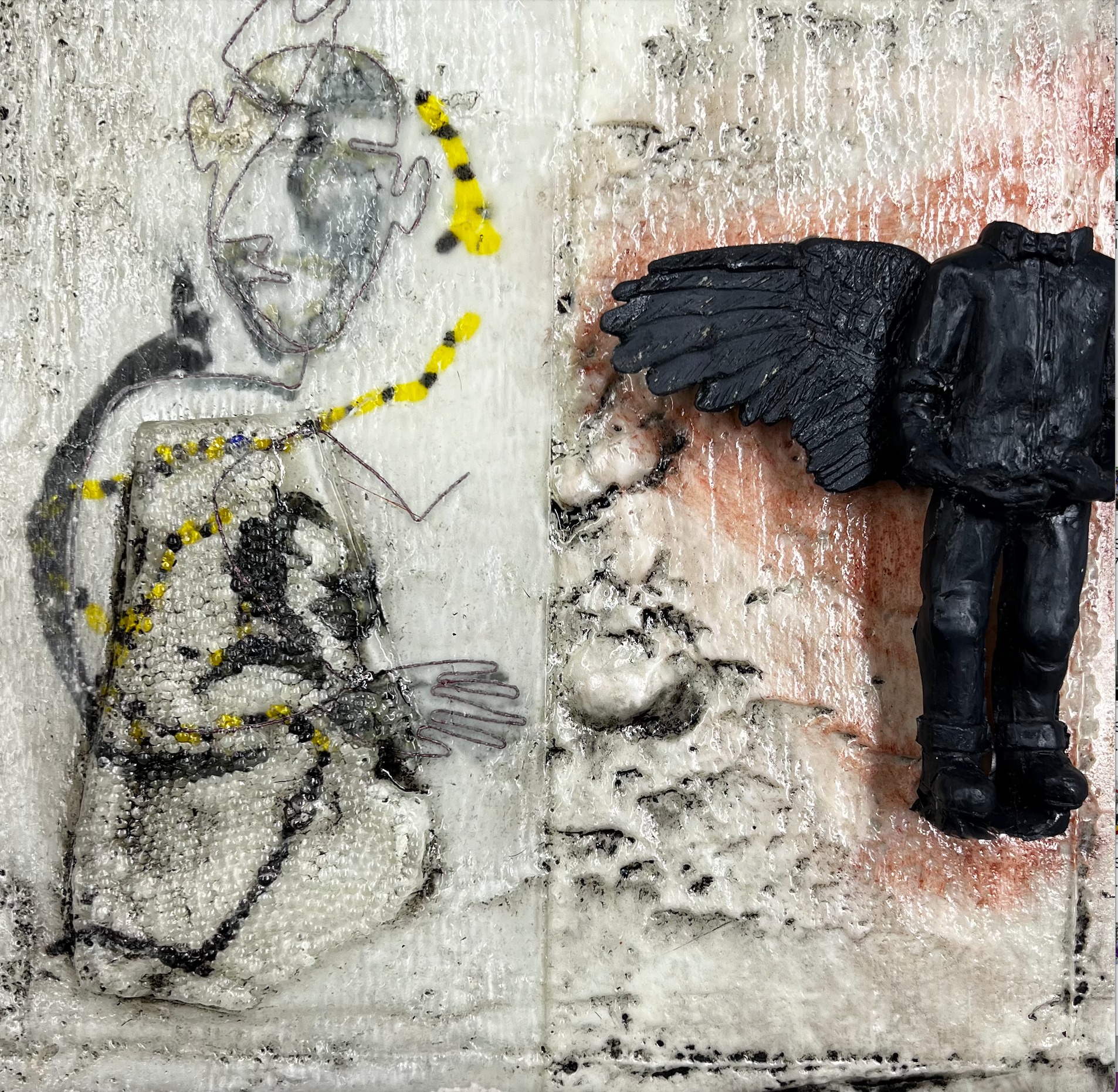
Three mild-mannered artists. One studio. Twenty-five years of heat, pressure, and improbable strength.
2026 arrives with momentum, memory, and a few surprises we’re not quite ready to name. Let’s just say: it’s a year shaped by long friendships, shared risks, and the kind of collective energy that doesn’t happen overnight.
We’ll be revealing things as the year unfolds— not all at once, not too fast. That’s part of the fun.
Happy New Year from all of us at Washington Glass School. Keep your eyes open.
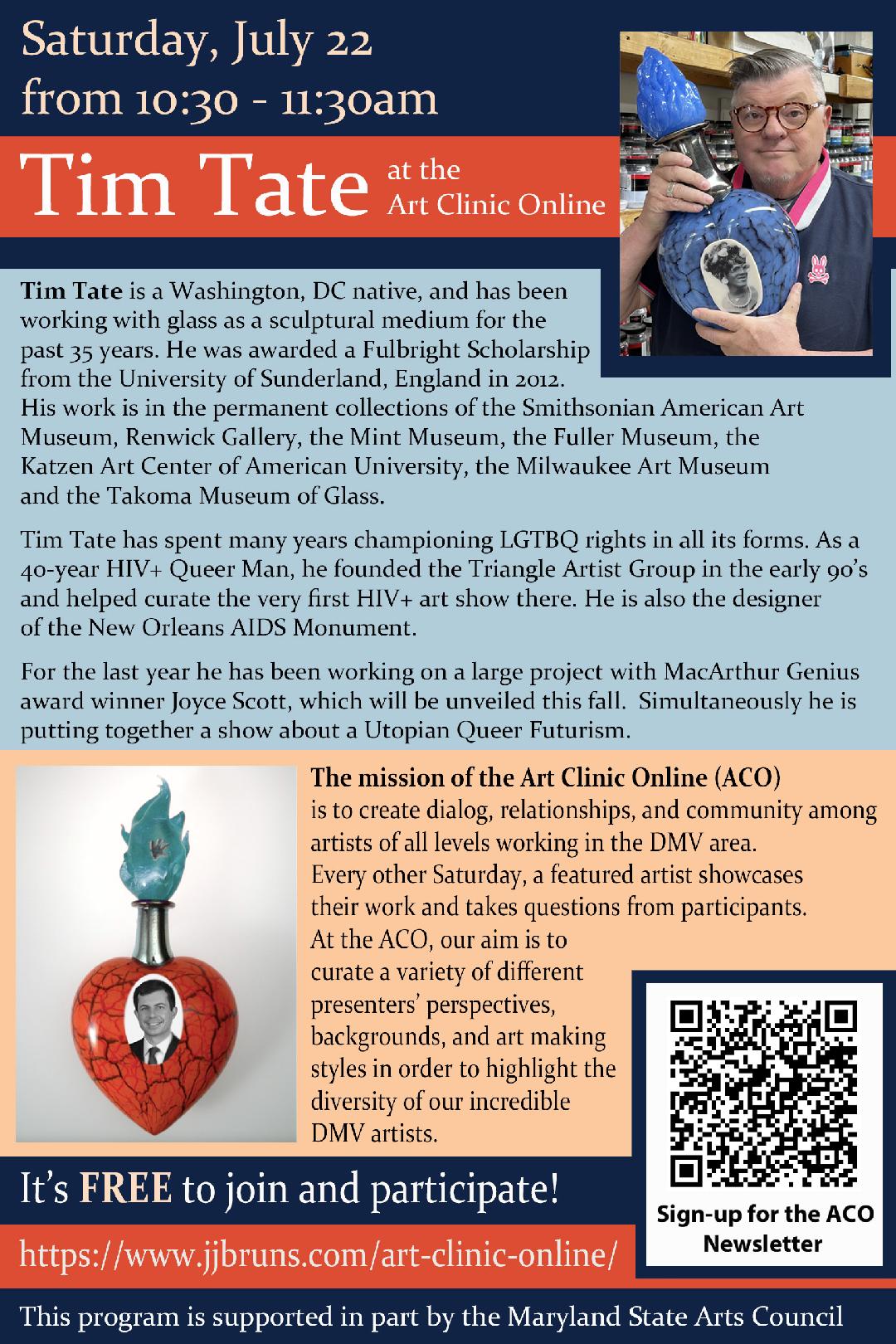
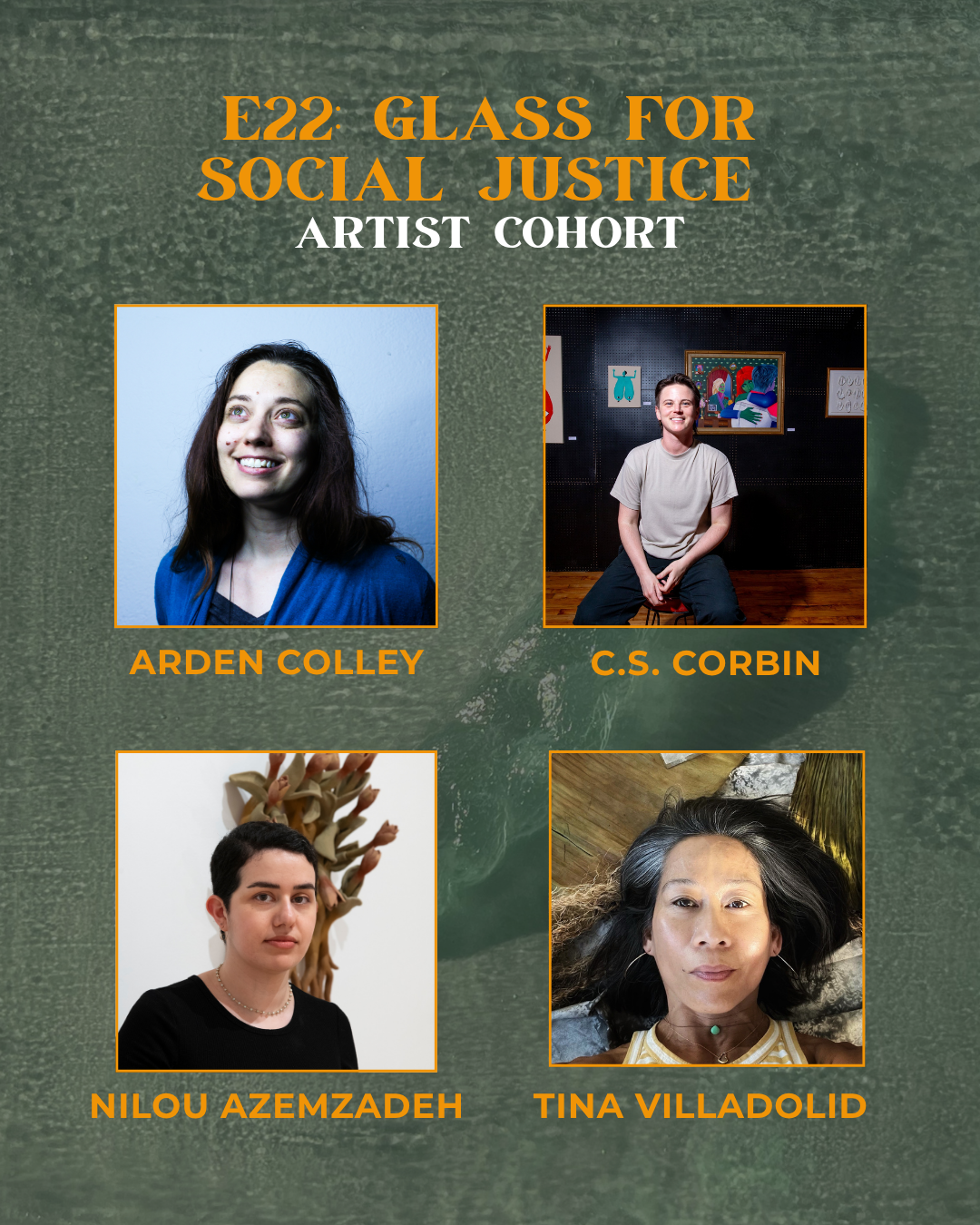
Featuring Artists from the “Exercises for Emerging Artists” Program – E22: Glass for Social Justice
Washington Glass School is hosted this year’s Exercises for Emerging Artists program with Transformer DC – and the resulting exhibition, A Litany for Survival, opens July 26, 2025 at Transformer Gallery.
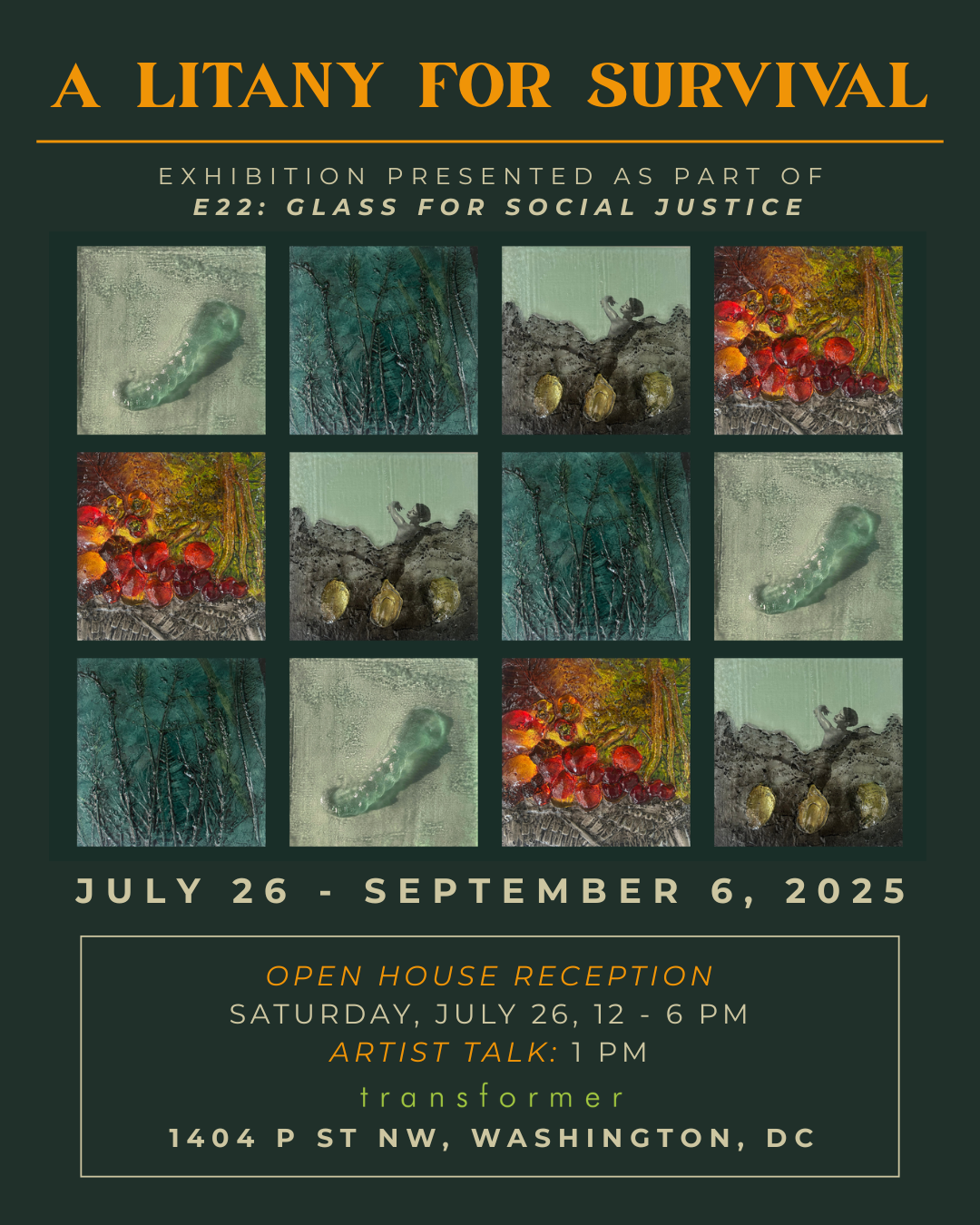
Now in its 22nd year, Transformer’s Exercises for Emerging Artists is a landmark mentorship program designed to support DC-based emerging artists at pivotal moments in their creative and professional development. Each year focuses on a different discipline, and for 2025, the spotlight is on glass as a medium for social justice.
E22: Glass for Social Justice brings together four powerful voices in the DMV art scene — Arden Colley, C.S. Corbin, Tina Villadolid, and Nilou Kazemzadeh — for an intensive four-month residency of glassmaking and critique sessions, hosted here at the Washington Glass School. Under the lead mentorship of WGS co-founder Tim Tate, the participating artists explored deep relief dry plaster casting techniques in glass — a kiln-forming process that allows for nuanced, sculptural impressions rich in symbolism and narrative.
The exhibition’s title, A Litany for Survival, is drawn from the celebrated poem by Audre Lorde and sets the tone for the work on view: pieces that disrupt dominant narratives, honor resilience, and speak to the layered complexities of identity, memory, and activism. As the artists write in a shared statement:
“Translucent, metamorphic, solid yet fragile, glass speaks to the fluidity and complexity of our self-determination… So it is better to speak / remembering / we were never meant to survive.”
This year’s program was coordinated by Camille DeSanto, Exhibitions & Programs Coordinator at Transformer, with guest mentorship from an exceptional group of artists and curators including Therman Statom, Diana Baird N’Diaye, Cheryl Derricotte, Joyce Scott, Jabari Owens-Bailey, Jennifer Scanlan, and Geoffrey Bowton.
Founded in 2001, the Washington Glass School continues to champion community-based glass education, expanding the boundaries of what glass art can be. Said Tate: “I have learned that glass can shatter silence, that castings can hold history, and that the hands that make are also hands that heal. This knowledge rewired my spirit — I began to see my art as a tool, not just for expression, but for disruption, truth, and change.” We are honored to collaborate with Transformer to help shape the next generation of artists pushing the medium forward.
Exhibition Details:
A Litany for Survival Part of Transformer’s E22: Glass for Social Justice 🗓 July 26 – September 6, 2025 📍Transformer Gallery, 1404 P Street NW, Washington, DC
Don’t miss this powerful and timely exhibition. Visit transformerdc.org for more info.
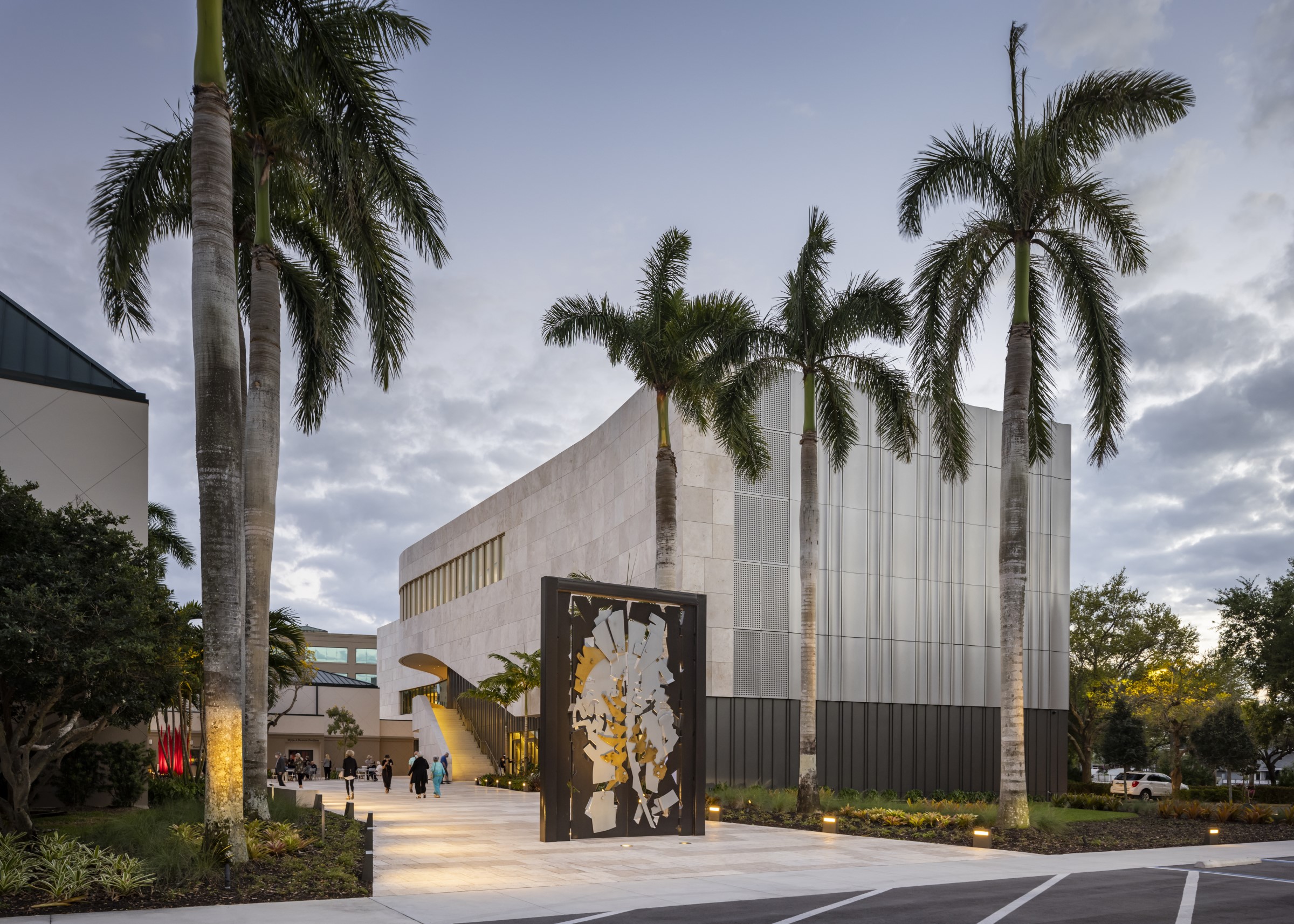
Washington Glass School is excited to share that co-directors Michael Janis and Tim Tate are among the artists included in a significant new acquisition by The Baker Museum in Naples, Florida. The museum has received The Dr. Laurence and Rita Sibrack Collection of Contemporary Glass and Ceramics, a gift that brings 74 works by 60 artists into the museum’s permanent collection.
The Baker Museum in Naples, FL
The Sibrack Collection includes works by some of the most influential names in contemporary glass and ceramics, including Dale Chihuly, Judith Schaechter, Amber Cowan, Preston Singletary, Lucio Bubacco—and now, Michael Janis and Tim Tate. This collection spans nearly every major glass technique, from flame-worked to blown and cast, and reflects a deep appreciation for material, form, and light.
The Baker Museum’s decision to fully integrate these works into its broader holdings marks a continued shift in how museums value glass and ceramics—not as separate from fine art, but as essential parts of its story. For Janis and Tate, who have each spent decades advancing contemporary glass as a narrative and conceptual art form, this recognition is especially meaningful.
“Our work is about storytelling through material,” said Michael Janis. “Being included in a collection like this, which treats glass as a vehicle for meaning and not just decoration, affirms why we do what we do.”
Tim Tate added, “What the Sibracks have built is not just a personal collection—it’s a statement about the relevance and emotional range of glass today.”
Rita and Dr Laurence Sibrak
The Sibracks, longtime supporters of Artis—Naples, were first inspired by a 2000 exhibition of Chihuly’s work at the museum. Their decision to make this donation stems from a long commitment to both the institution and the idea that art should be lived with, shared, and accessible to all.
This acquisition places the work of two DC-based artists into one of the most respected collections in the region, further establishing the impact of the Washington Glass School on the national stage. We’re proud to see Michael and Tim’s work recognized alongside such powerful voices in the field and grateful to the Sibracks and the Baker Museum for helping bring greater visibility to the language of glass.
The collection will be celebrated in the upcoming exhibition “The Passion of Collecting: Stories in Glass and Ceramics from the Sibrack Collection,” opening January 10, 2026 at The Baker Museum and remaining on view through the fall.
Following is a complete list of artists in the The Dr. Laurence and Rita Sibrack Collection of Contemporary Glass and Ceramics: Dean Allison, Adrian Arleo, Michael Behrens, Susan Beiner, Alex Bernstein, Charles Birbaum, Christina Bothwell, Peter Bremers, Emily Brock, Lucio Bubacco, Jim Budde, Nancy Callan, Dale Chihuly, A-Mi Choi, Amber Cowan, Dan Dailey, Stefen Dam, Laura Donefer, Michael Glancy, Peter Hora, Agnes Husz, Jannet Iskander, Martin Janecky, Michael Janis, William Kidd, Sabrina Knowles, Velarde Kukuli, K. William LeQuier, Dianne Martin Lublinski, Emma Luna, Robert Mickelsen, Shelley Muzylowski Allen, Harumi Nakashima, Sybelle Peretti, Lindsay Pichaske, Jenny Pohlman, Clyfford Rainey, David Regan, Colin Reid, Ross Richmond, George Rodriquez, Davide Salvadore, Judith Schaechter, Livio Seguso, Preston Singletary, Carmen Spera, Kristen Stingle, April Surgent, Matthew Szösz, Etsuko Tashimu, Tim Tate, Tip Toland, Margit Tóth, Hidenori Tsumori, Sam Tuffnell, Janusz Walentynowicz, Patti Warashina, Ann Wolff, Loretta Yang and Mary Ann Zynsky.
To learn more about the museum and the artists in the collection, visit artisnaples.org.
Curated by Alison Sigethy and produced by Veronica Szalus, “Eclipse” is an invitational sculpture show opening Jan 16th at the Athenaeum that examines light and shadow, liminal space, and the passage of time.
An exhibition titled “Eclipse” evokes themes of transformation, obscuration, revelation, and the interplay of light and shadow. The works of Washington Glass School artists Tim Tate, Erwin Timmers, and Michael Janis seems to fit so seamlessly into such a thematic framework, each offering a unique interpretation of these ideas through their distinct techniques and narratives.
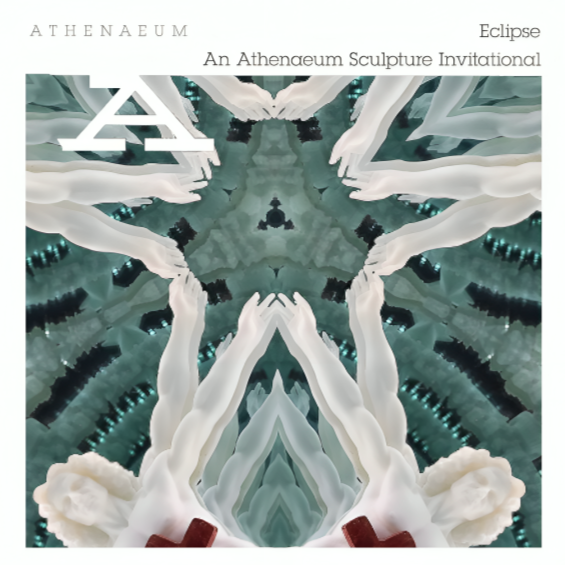
Detail of Tim Tate’s work in the “Eclipse” exhibit
Tim Tate is known for combining traditional glass craft with modern video elements and digital media to create mixed-media sculptures that explore themes of memory, mortality, and the passage of time. His works often embody themes of transformation, obscuration, revelation, and the interplay of light and shadow. In this exhibition, Tate’s work symbolizes the moment of revelation that occurs during an eclipse, where hidden truths or forgotten histories come to light. His lenticular prisms that shift between imageries effectively capture the fleeting moment of an eclipse where light is temporarily blocked yet still visible in other forms. Said Tate: “In my lenticular series, I aim to capture the nature of memory and perception. By layering multiple images within a single lens, I create a sense of depth and dimensionality that shifts and changes as the viewer moves.”
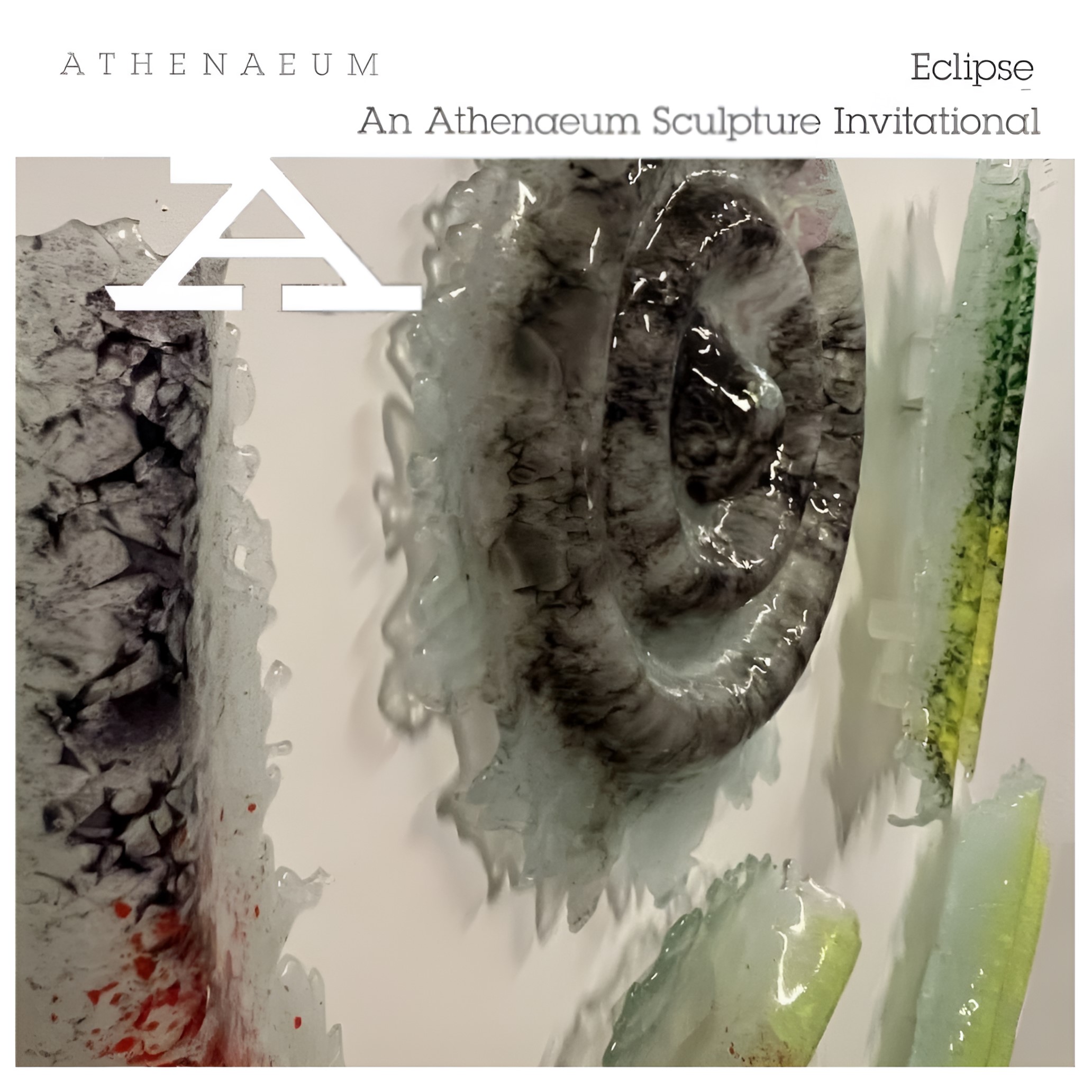
Detail of Erwin Timmer’s cast recycled glass artwork featured in “Eclipse” exhibit.
Erwin Timmers is deeply committed to environmental sustainability, and his works crafted from recycled glass introduce a theme of renewal and regeneration within the “Eclipse” exhibition. Timmers uses discarded materials to create beautiful forms, highlighting the potential for transformation in the most unexpected places—much like an eclipse, which temporarily alters perception and understanding. His work often conveys a narrative of reclaiming what is cast aside, fitting well into the exhibition’s overarching theme of cycles of destruction and rebirth. Once destined for landfills, the recycled materials are reborn as testaments to the power of transformation and the importance of reexamining our relationship with the natural world. Timmers’ recycled glass sculptures also play with light, given the translucent nature of glass, adding a dynamic interplay of illumination and shadow. Said Timmers about his work in the Eclipse series: “I explore the intersection of environmental waste and beauty. By casting discarded materials into sensuous forms, I aim to reveal the beauty hidden within the discarded and the forgotten. As we stand at the edge of ecological crisis, I believe that art can serve as a catalyst for change, inspiring us to reimagine our place within the delicate balance of the ecosystem.”
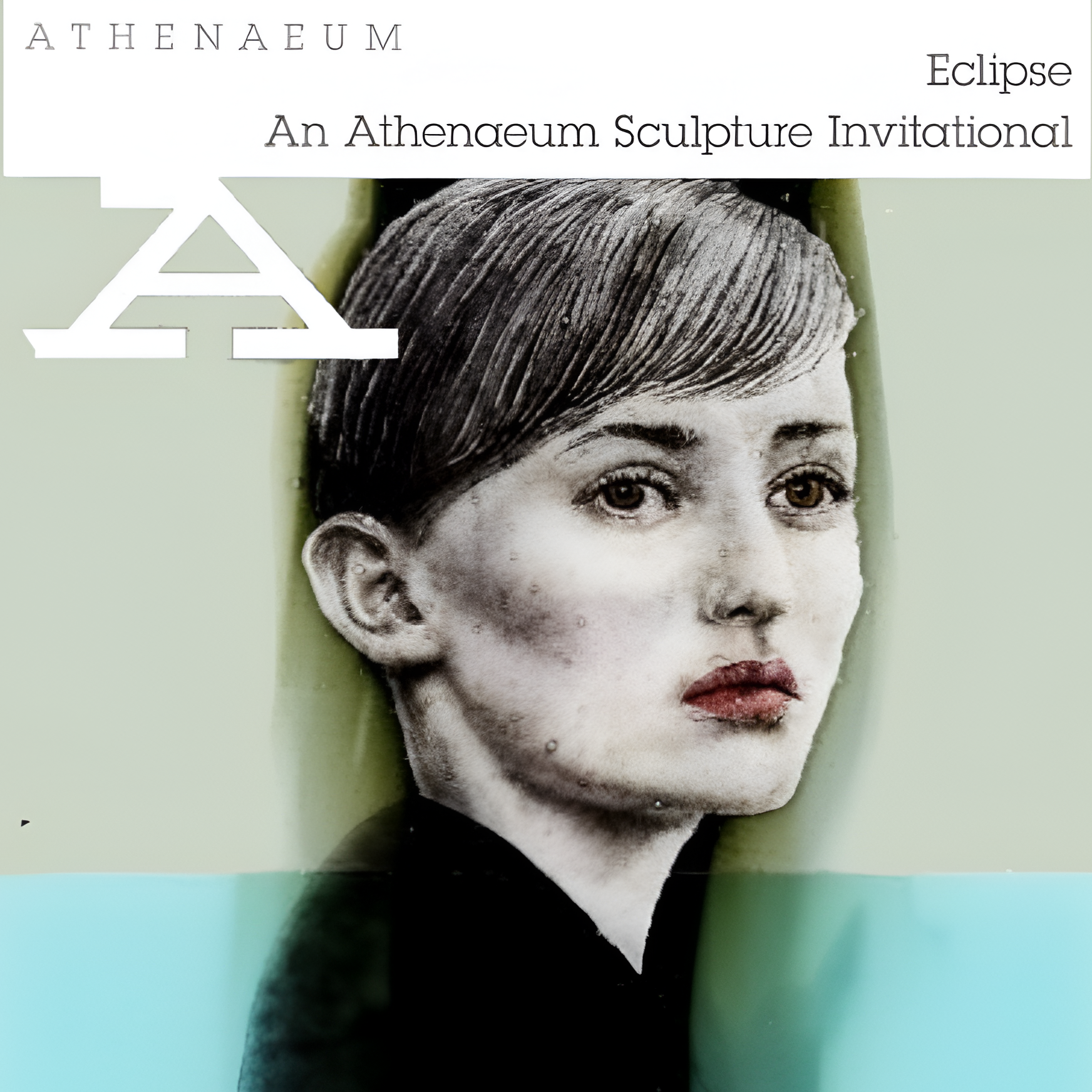
Detail of Michael Janis’ “A New Dawn” glass artwork featured in “Eclipse” exhibit.
Michael Janis’ sgraffito glass portraits, which often explore identity, human emotion, and societal themes, align with the “Eclipse” theme by focusing on the layers of human experience and the partial obscuration of self. His technique of layering powdered glass to create complex imagery is akin to the way an eclipse gradually reveals or conceals—shadows and light playing across the surface, revealing deeper meanings. His works evoke the internal eclipses we face—moments where parts of ourselves or our histories are hidden or revealed depending on the perspective or light shed on them. Janis’ portraits also symbolize the personal and psychological aspects of an eclipse, dealing with identity, transformation, and the hidden aspects of the self that come to light.
Said Janis of his frit powder portraits: “Each element of my artwork serves as a kind of representation of the chaotic nature of human existence. By abstracting the realistic figures, I highlight the intricate layers that shape our identities, both internal and external. These divisions symbolize the diverse aspects of our personalities, experiences, and cultural influences that converge within a single being.”
Eclipse An Athenaeum Sculpture Invitational Curated by Alison Sigethy January 16, 2025 – February 23, 2025 Artist Reception: Friday, January 17, 6 – 8 pm Artist Talk: Sunday, February 23, 2 pm Participating artists: Michael Janis Lori Katz Mike Price Carol Prusa Sarah Hood Salomon Salih Zeki Sayar Murat Sener Michael Enn Sirvet Tim Tate Erwin Timmers Maduka Uduh
The Athenaeum is home to the Northern Virginia Fine Arts Association (NVFAA), an organization dedicated to the maintenance and preservation of the building and the celebration of regional arts. The Athenaeum Gallery 201 Prince Street, Alexandria, VA 22314
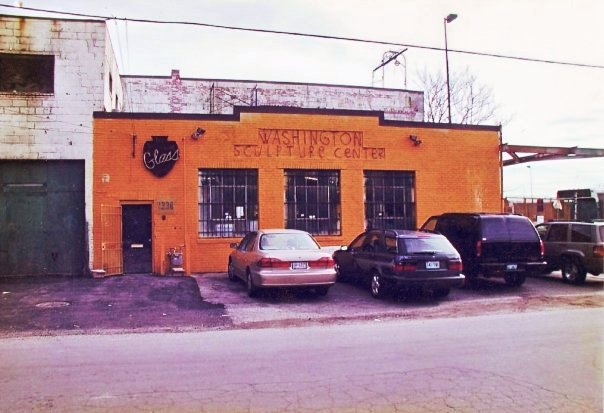
Washington Glass School ca 2004, located in the Washington Sculpture Center in SE DC.
In the aftermath of the 2000 Artomatic show, renowned glass artist Tim Tate and metal/eco-artist Erwin Timmers felt the need to create a space for the growing glass art community in Washington, DC. Their solution was the founding of what was first called “Meltdown”—the future Washington Glass School. The school’s very first class, held on September 13, 2001, came in the shadow of one of the most tragic days in American history. While the founders initially considered canceling the session, the overwhelming desire of the students to move forward created an indelible bond. The class became a healing space, where sadness and fear were channeled into creativity and connection.
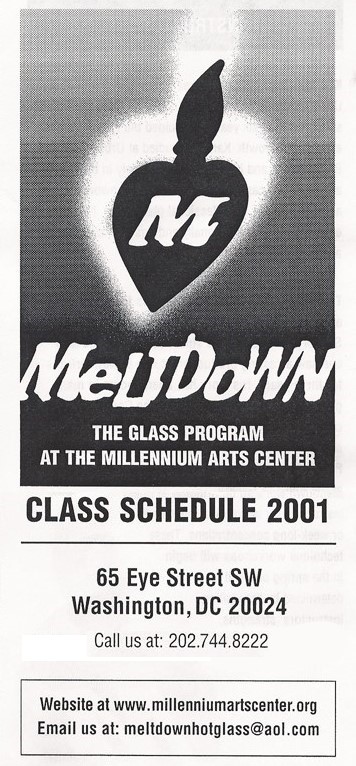
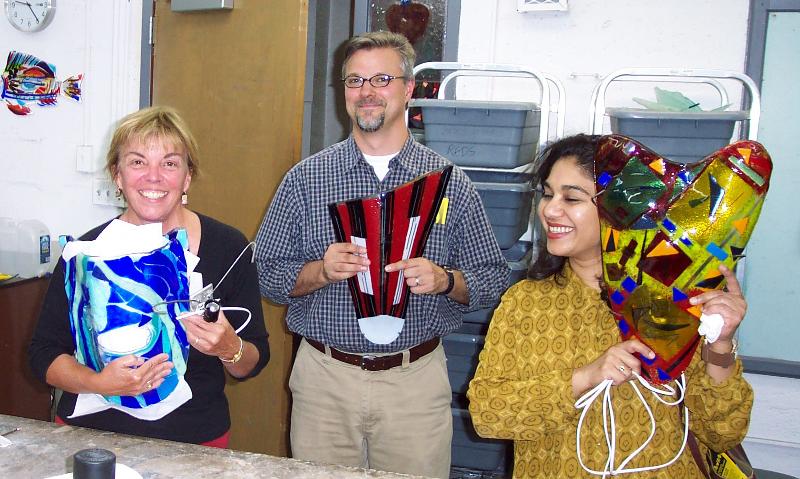
Meltdown Studio class schedule 2001Early light fixture class (ca 2002) shows off their finished works.
From those early days, the Washington Glass School (WGS) has embraced community and resilience as core values. In 2003, the school relocated from its original home—now the Rubell Museum in DC’s Southwest neighborhood—to the Washington Sculpture Center. Michael Janis, an innovative artist who joined the school that year, became a director by 2005. His leadership, alongside Tate and Timmers, continued to steer the school as it grew in reputation.
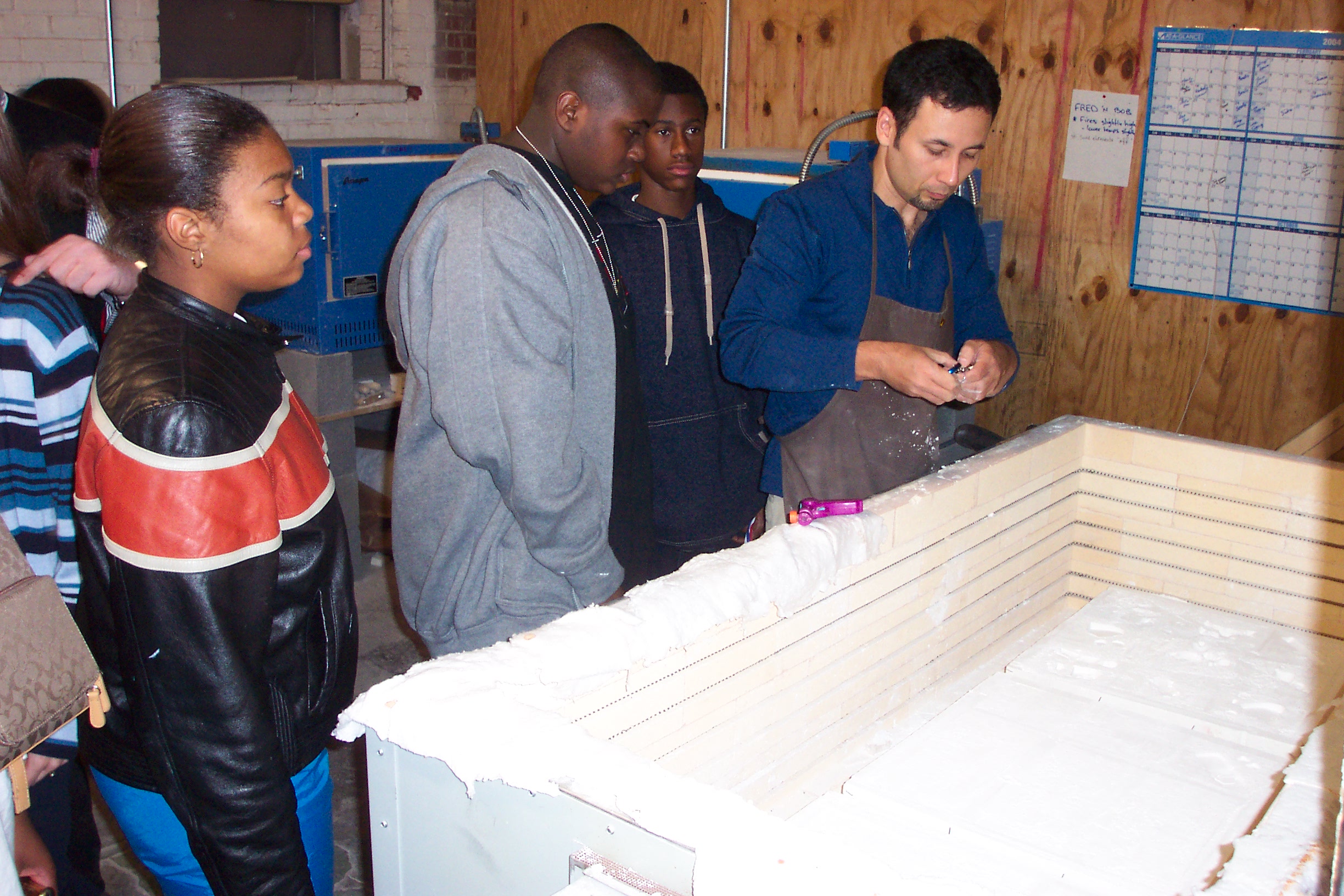
Future WGS Director Michael Janis (center) in his first class at Washington Glass School, 2003.Michael Janis works with students from DC’s Stuart Hobson Middle School (ca 2004).
In 2006, a turning point came when the school’s building was taken by eminent domain to make way for the Washington Nationals’ baseball stadium. Unfazed, the WGS team moved just outside the District to Mount Rainier, Maryland. It’s been their home ever since, where they continue to teach, collaborate, and create public art.
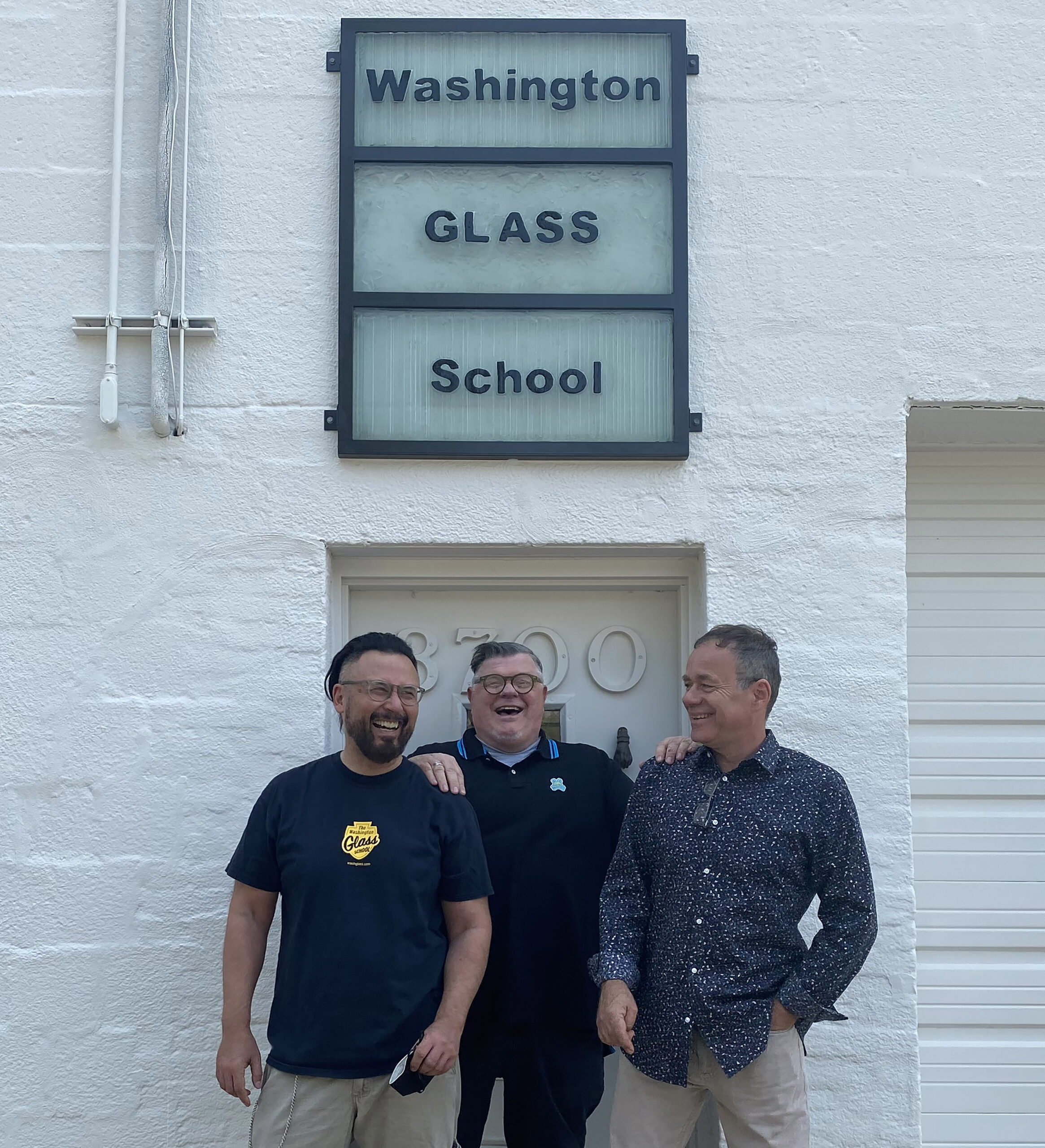
WGS Directors (L-R Michael Janis, Tim Tate, Erwin Timmers)
WGS has evolved into a dynamic hub for artistic exploration, encouraging artists to challenge the conventional limits of glass as an art medium. Their collaborative spirit thrives, with glass artists working alongside creatives from other disciplines, producing public art that speaks to the heart of the community.
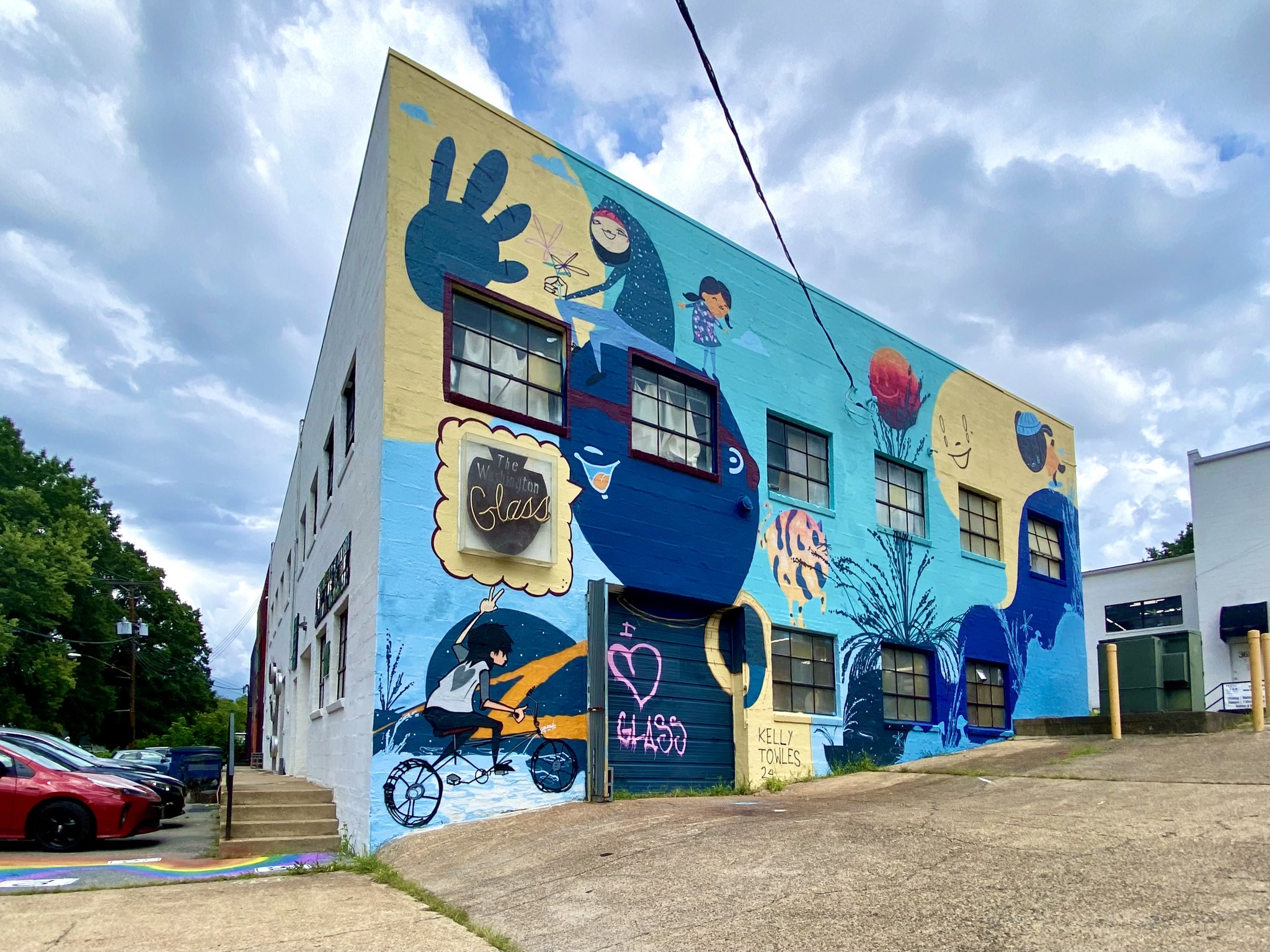
In 2024, DC artist Kelly Towles painted a mural “I ❤ Glass” on the facade of the glass school.
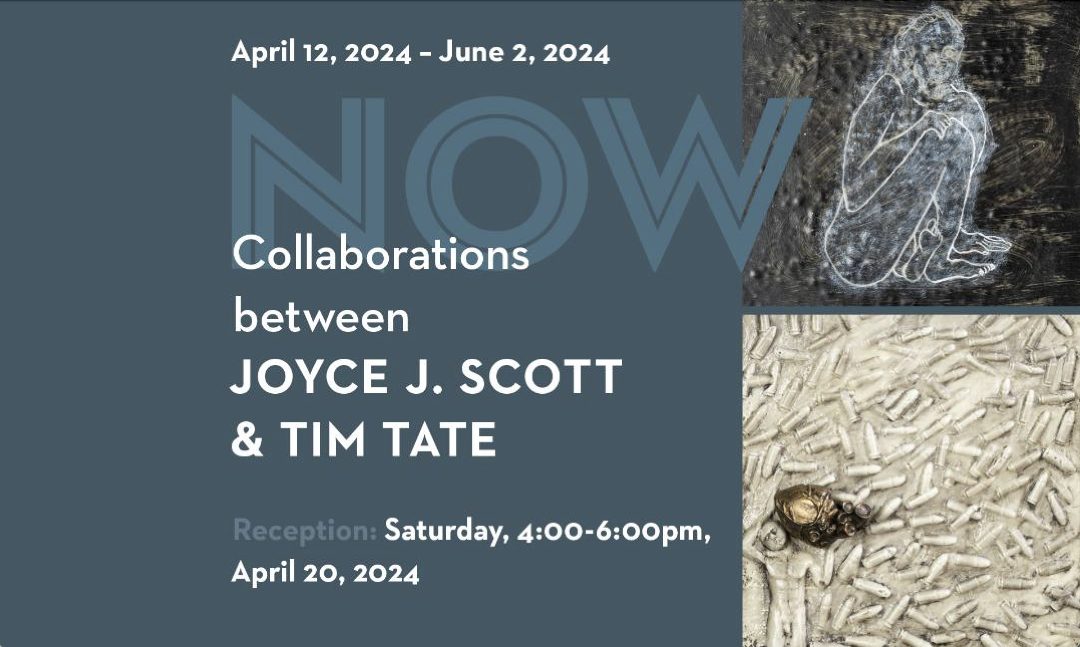
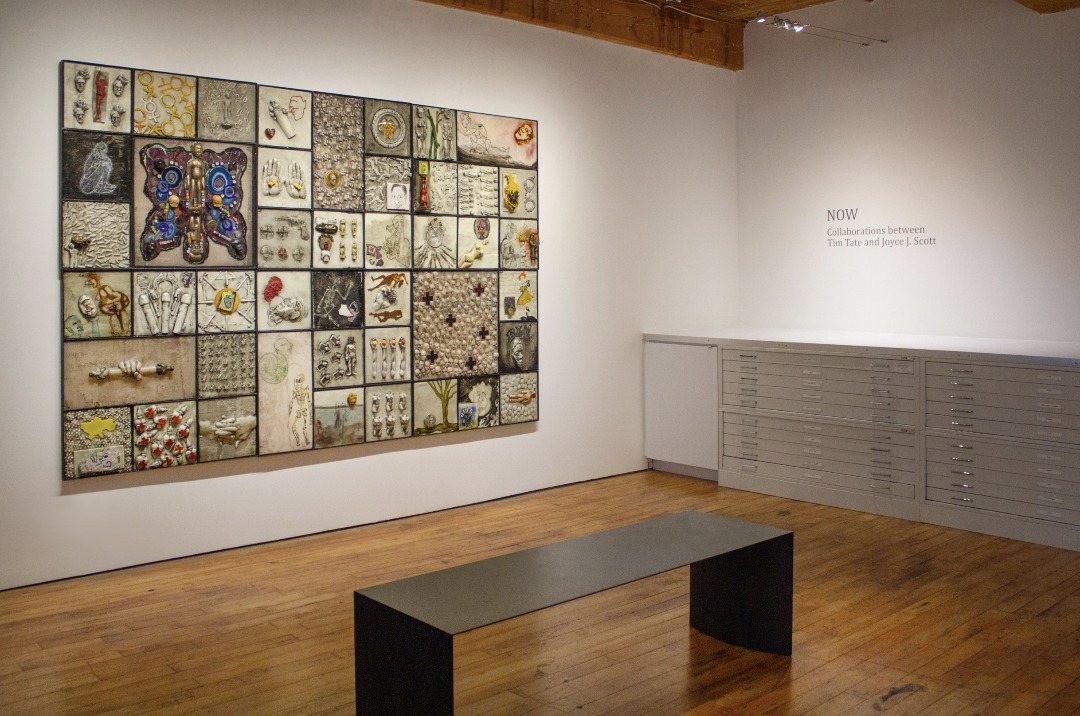
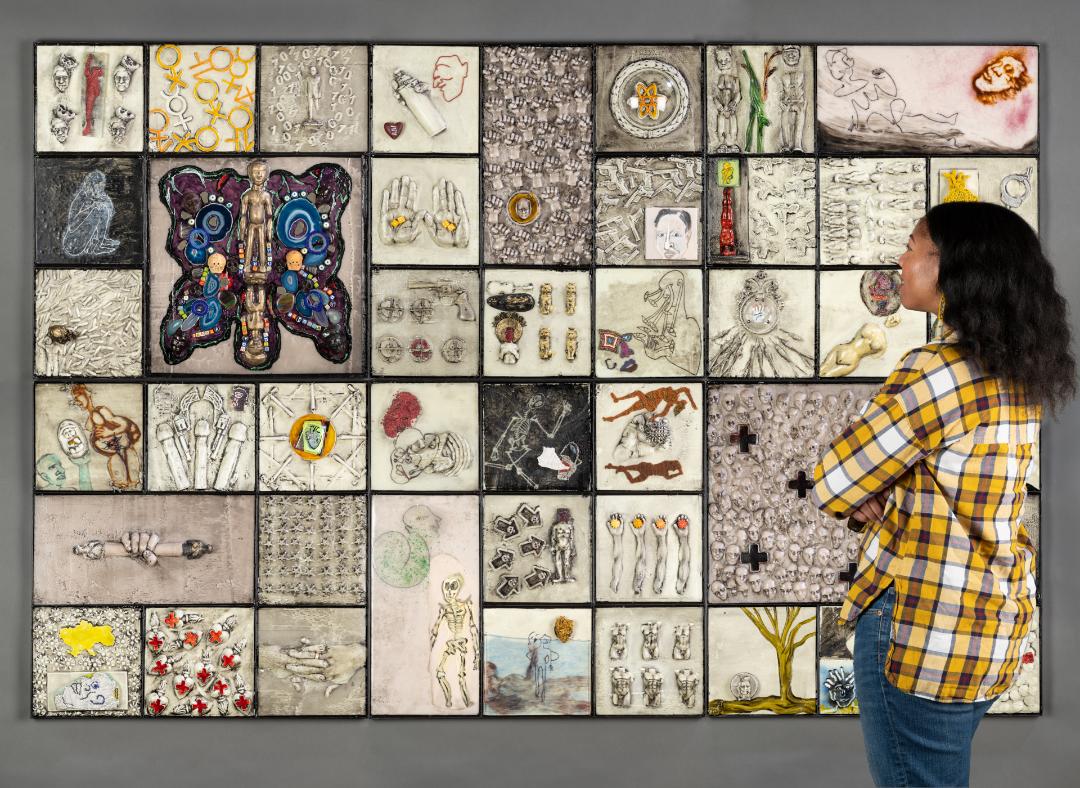
Goya Contemporary – where for the past 25 years has built a progressive reputation for creating visionary, historically relevant exhibitions, features glass artists Joyce Scott and Tim Tate together in a show titled “Now: Collaborations by Joyce J Scott and Tim Tate“. The centerpiece of the show is a 9ft long cast glass wall entitled “Now”. This was a 7-month project with Joyce and Tim that deals with societal issues that were being discussed in our culture while we were producing it. Issues included racism, homophobia, misogyny and the war in Ukraine.
Goya Contemporary
Mill Centre Studio 214, 3000 Chestnut Avenue, Baltimore, Maryland 21211
The January / February 2024 issue of Glass Art Magazine has a spread all about WGS Co-Founder and Co-Director Tim Tate. Artist & Author Sara Sally LaGrand writes about Tim’s story and how he has put his life experiences and feelings into his art. The article covers his history and how his artwork includes aspects of not only his life as a gay artist, but as a vehicle to promote the ideation of a more inclusive world.
Tim Tate & Joyce Scott, “NOW”; 2022, cast glass
The Glass Art Magazine issue also covers Tim’s recent collaboration with artist Joyce Scott, making a 6’H x 9’W wall sculpture titled “NOW” that incorporated themes of Racial Equality, Woman’s Rights and LGTBQIA+ issues that our world struggles to come to terms with.
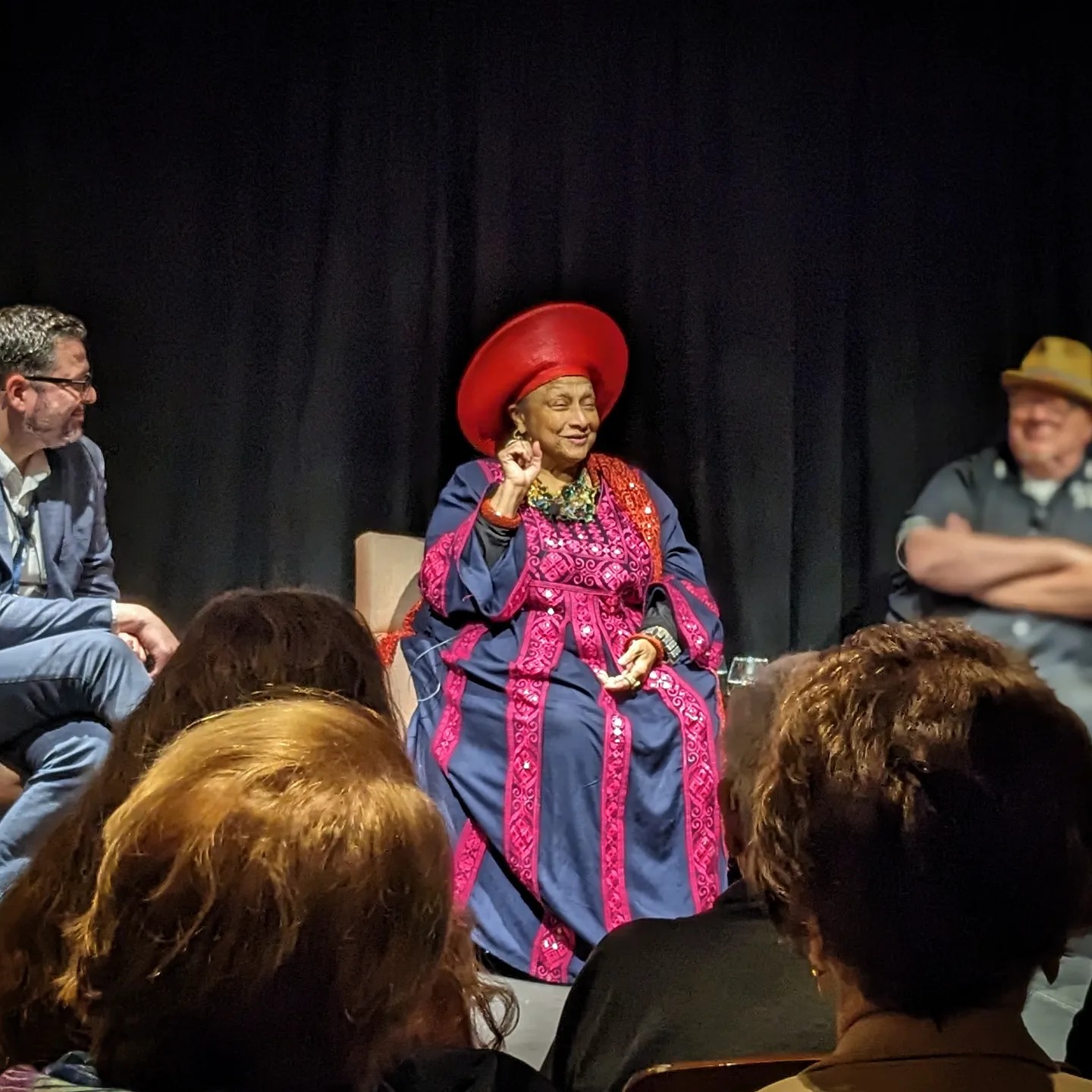
L-R Wilfried Zeisler, chief curator and deputy director of Hillwood with artists Joyce J. Scott and Tim Tate.
Some photos from the last night’s talk at DC’s Hillwood Museum – ‘A Conversation with Joyce J. Scott and Tim Tate’.
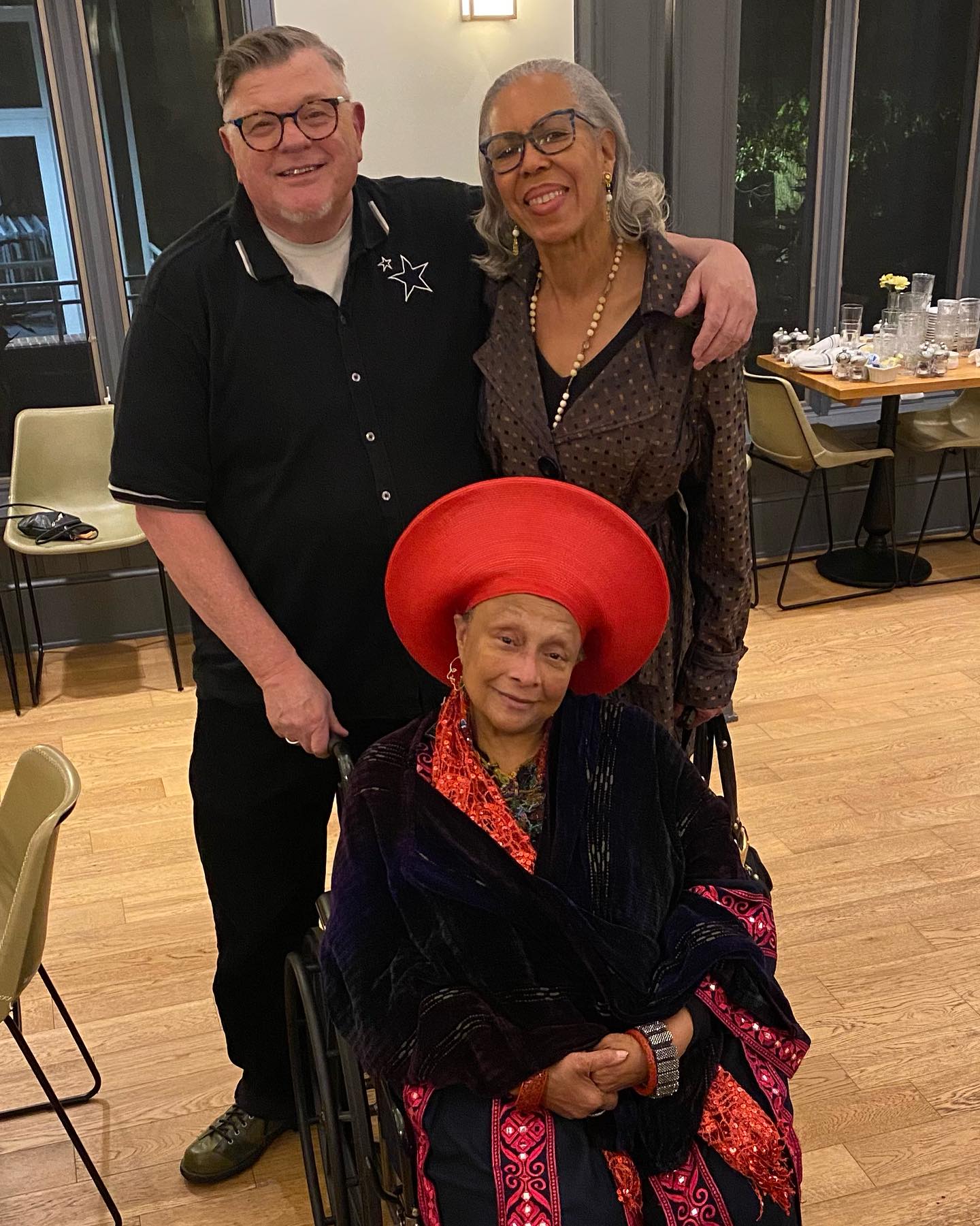
Tim Tate, Christina Waddler and Joyce Scott
Artists Joyce J. Scott and Tim Tate had an engaging and insightful conversation moderated by Wilfried Zeisler, chief curator and deputy director of Hillwood.
Joyce and Tim talked about their artistic practices and inspiration for their work, including the stories and process behind “Him” by Scott and A Century of Longing by Tate, both featured in the current Glass: Art. Beauty. Design. exhibition. https://hillwoodmuseum.org/exhibitions/glass
Joyce and Tim talked about their current projects, including the process of working collaboratively on a monumental glass project.
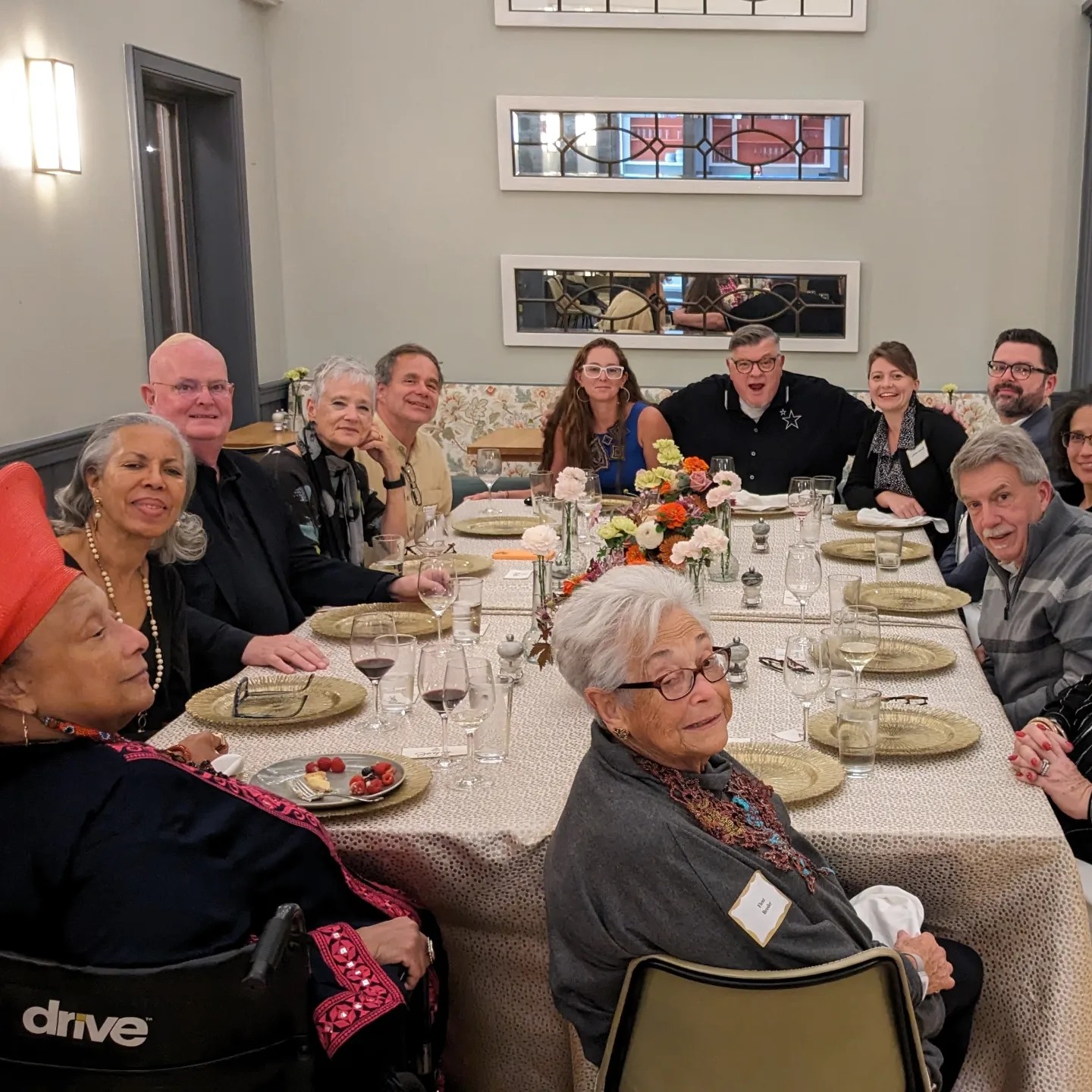
Dinner with the artists at the Hillwood Museum.
Glass: Art. Beauty. Design. is on display thru January 14, 2024
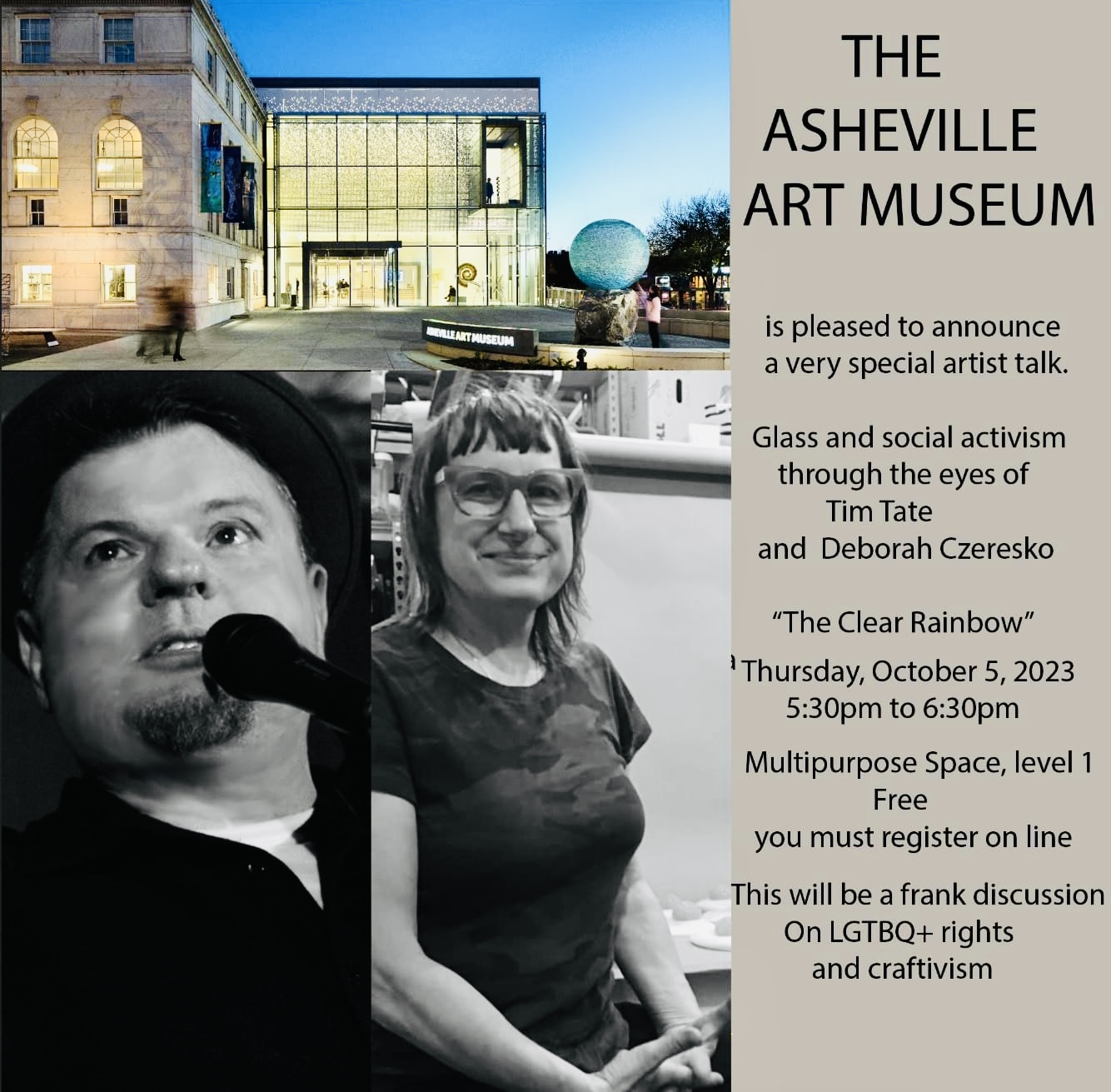
If you are anywhere near Asheville next week, think about stopping by and joining glass artist Deborah Czeresko, winner of the reality competition series Blown Away, and Tim Tate, artist and Director of the Washington Glass School, for an exciting conversation exploring both artists’ long history of using glass sculpture to highlight LGTBQ rights. Both artists will share images of earlier pieces while discussing their artistic journeys, work, and the art world. Thursday, Oct. 5, 5:30 – 6:30
Joyce Scott & Tim Tate; “NOW”, 6′ x 9′; cast glass, mixed media. Photo by Pete Duvall.
Now that Joyce Scott’s 50-year retrospective has been announced, we can share this image of the Dr Joyce Scott/Tim Tate collaborative mural that has been in creation for over 6 months! What a joy to get to work with this huge icon of contemporary art and MacArthur Fellow!
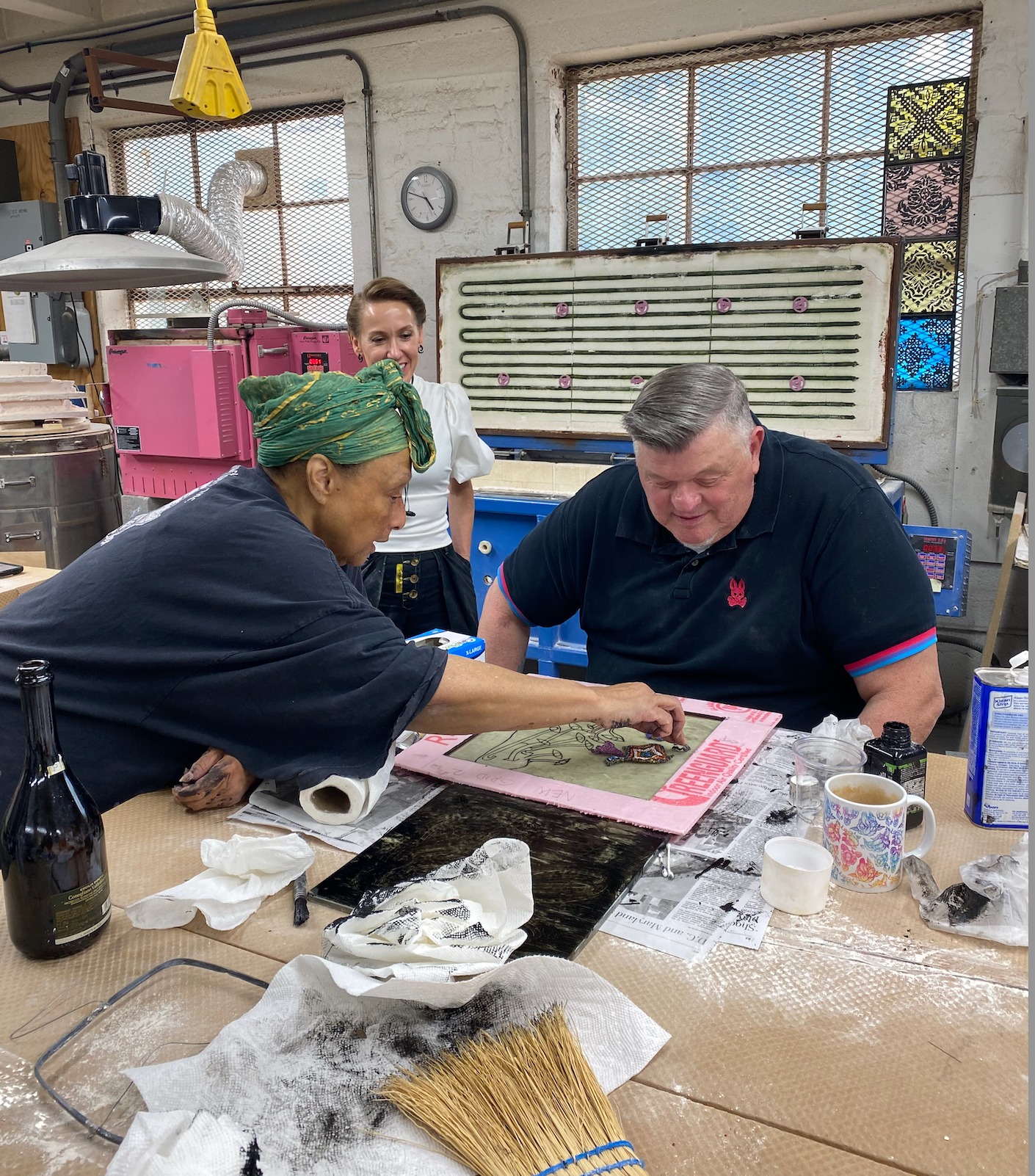
Artist Joyce Scott, Goya Contemporary Gallery Exec Director Amy Eva Raehse and Tim Tate work on the collaborative mural at Washington Glass Studio, 2023.
Titled “NOW” the work measures 9ft W x 6ft H and the mixed media, cast glass wall focuses on topics around racial inequality, women’s rights and LGTBQ+ issues.
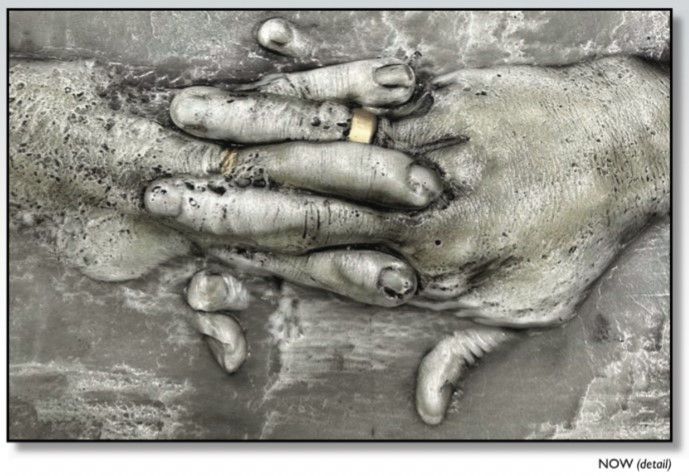
Detail of panel in “NOW” by Dr Joyce Scott and Tim Tate.
Said Tim about the work – “This is a once in a lifetime project, and I couldn’t be prouder of any piece I have ever made.”
Detail of panel in “NOW” by Dr Joyce Scott and Tim Tate.
The artwork is available at Goya Contemporary in Baltimore and will be on display there in Sept or Oct. (Check with gallery).