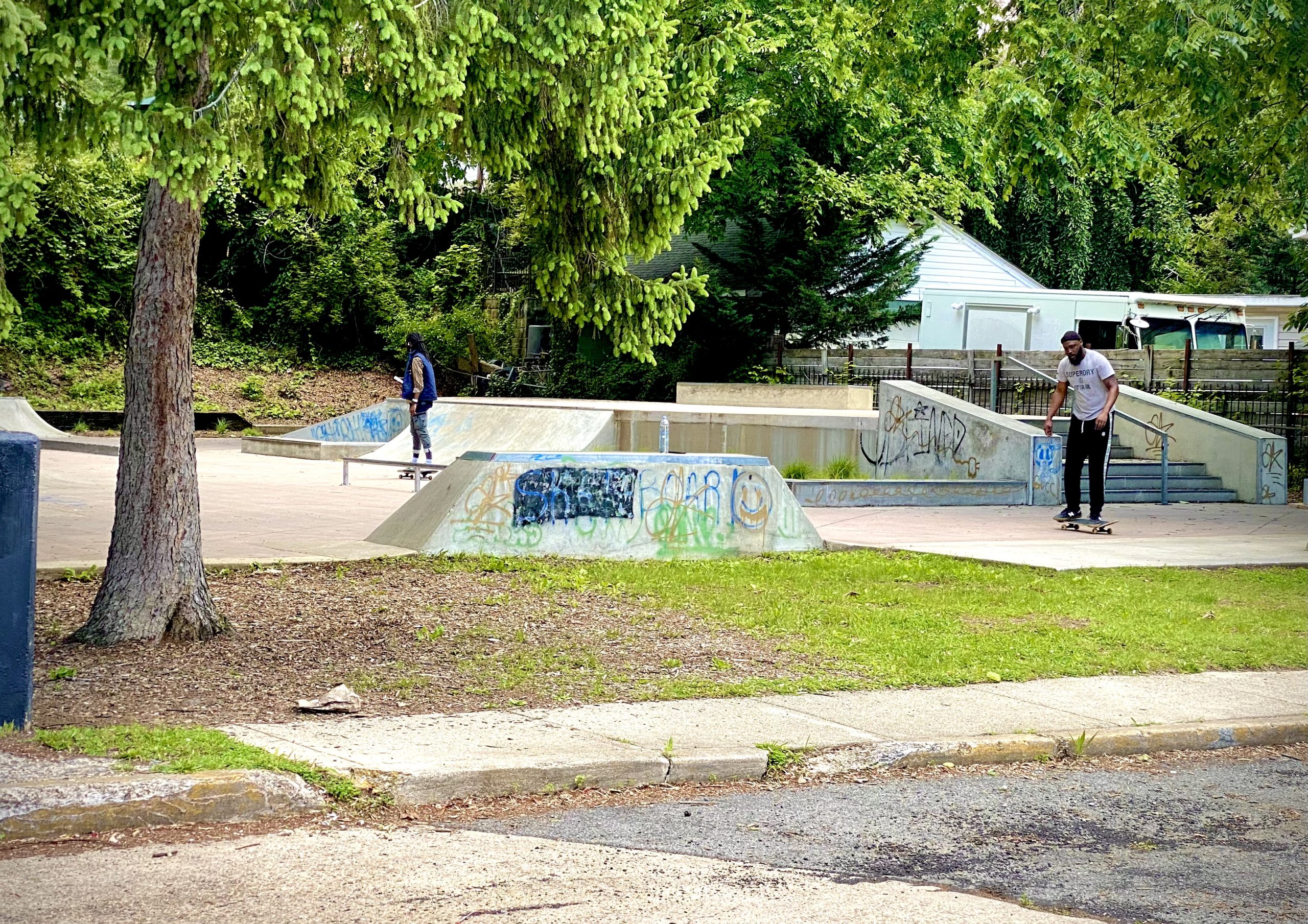
PG Dept of Parks and Rec wants the community to help ideate the look of the Mt Rainier Skatepark. Photo by Michael Janis.
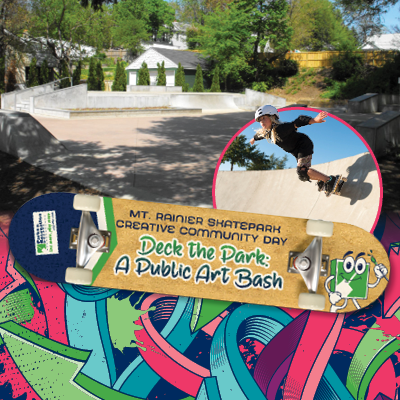
The Prince George’s County Department of Parks and Recreation is working with the Mt Rainier Arts Commission and together they will host Deck the Skate Park: A Public Art Bash on Saturday, June 28, 2025, from 12:00 p.m. to 2:00 p.m. at the Mount Rainier Skate Park (down the street from the Glass School and across from Otis Street Arts Project). This Creative Community Day marks the first step in a beautification project for the newly renovated 6,000-square-foot plaza-style skate park, situated at the corner of Wells Avenue and Otis Street.
Mount Rainier residents are invited to contribute ideas for the park’s artistic redesign, with options including murals, sculptures, or a combination of both. Attendees will have the opportunity to vote on the design’s aesthetic, shaping the park’s future as a community landmark. The skate park, equipped with ramps, rails, steps, picnic tables, and benches, serves as a popular gathering spot for skaters and families.
The event features several activities, including:
Free skating lessons for all skill levels
Community art projects facilitated by Arts on a Roll
Complimentary ice cream
Door prizes
Activities suitable for all ages
So, on Saturday, June 28th, Noon – 2pm, grab your skateboard, and roll on over to make the Mt Rainier Skate Park a vibrant masterpiece!
For more information, contact the Prince George’s County Department of Parks and Recreation (301)446-3232.
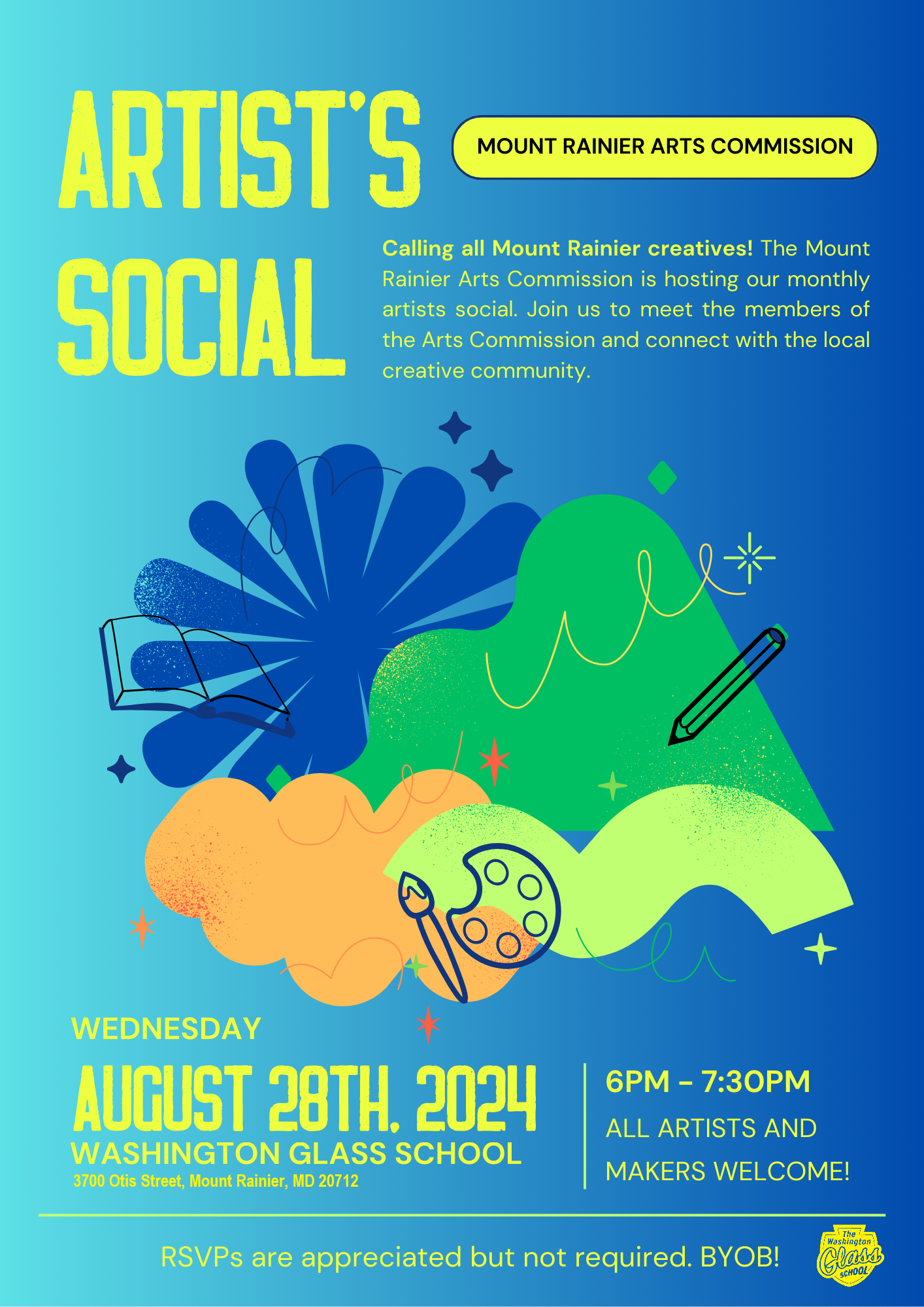
The Mount Rainier Arts Commission (MRAC) has been networking the area creatives with a monthly “artist’s social” for artists (in all media and forms) that live or work in Mt Rainier- this month’s event is a Social at the Glass School – Wed, 28th Aug, from 6-7:30!
And a perfect chance to chat up the new commissioners about the representation of the arts in our area. These events are a lot of fun and connect!
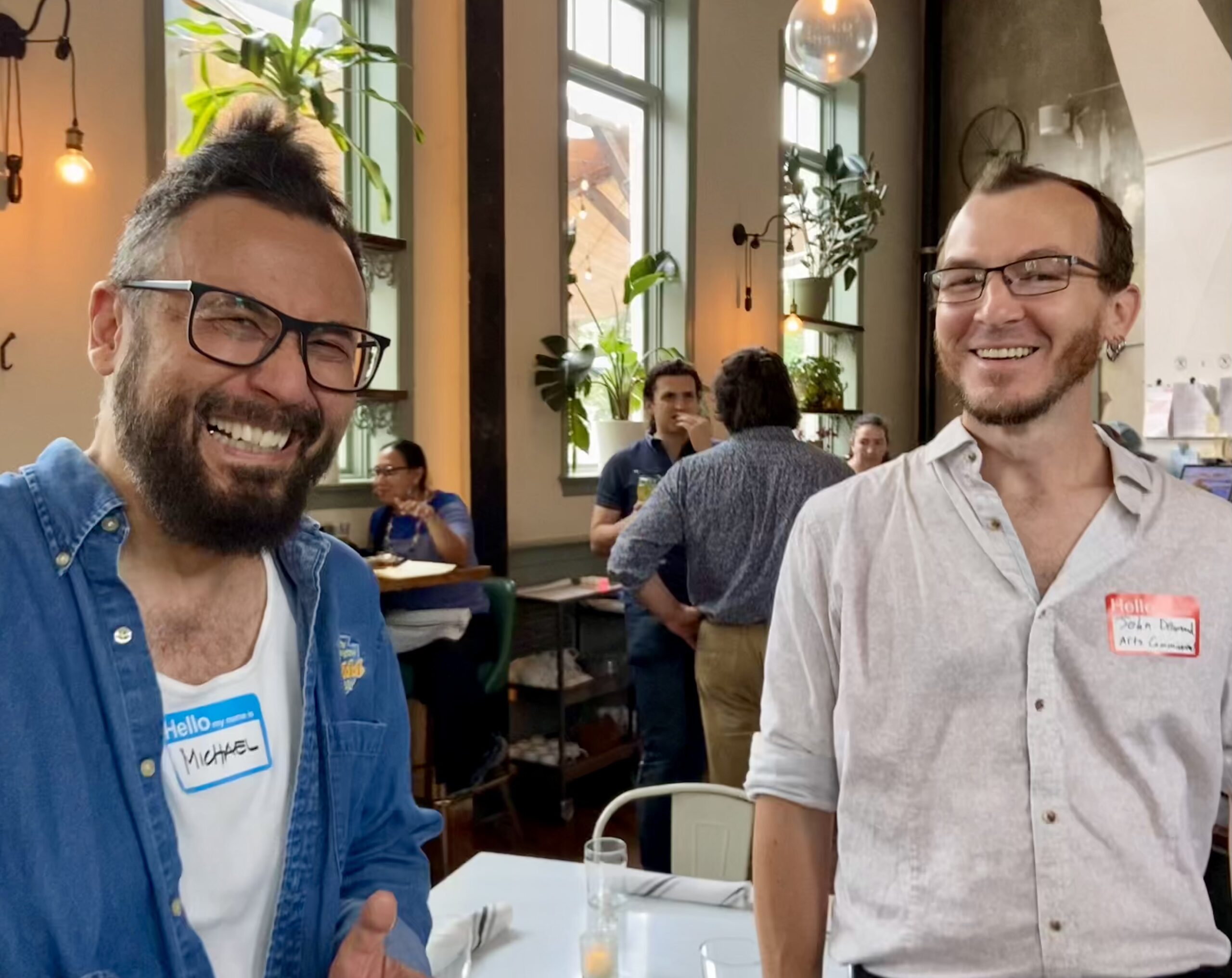
MRAC L-R Deanna Noel, Becca Solow, Tessla Thompson at the July event held at Pennyroyal Station.WGS Co Director Michael Janis shares a laugh with MRAC’s John Daemond
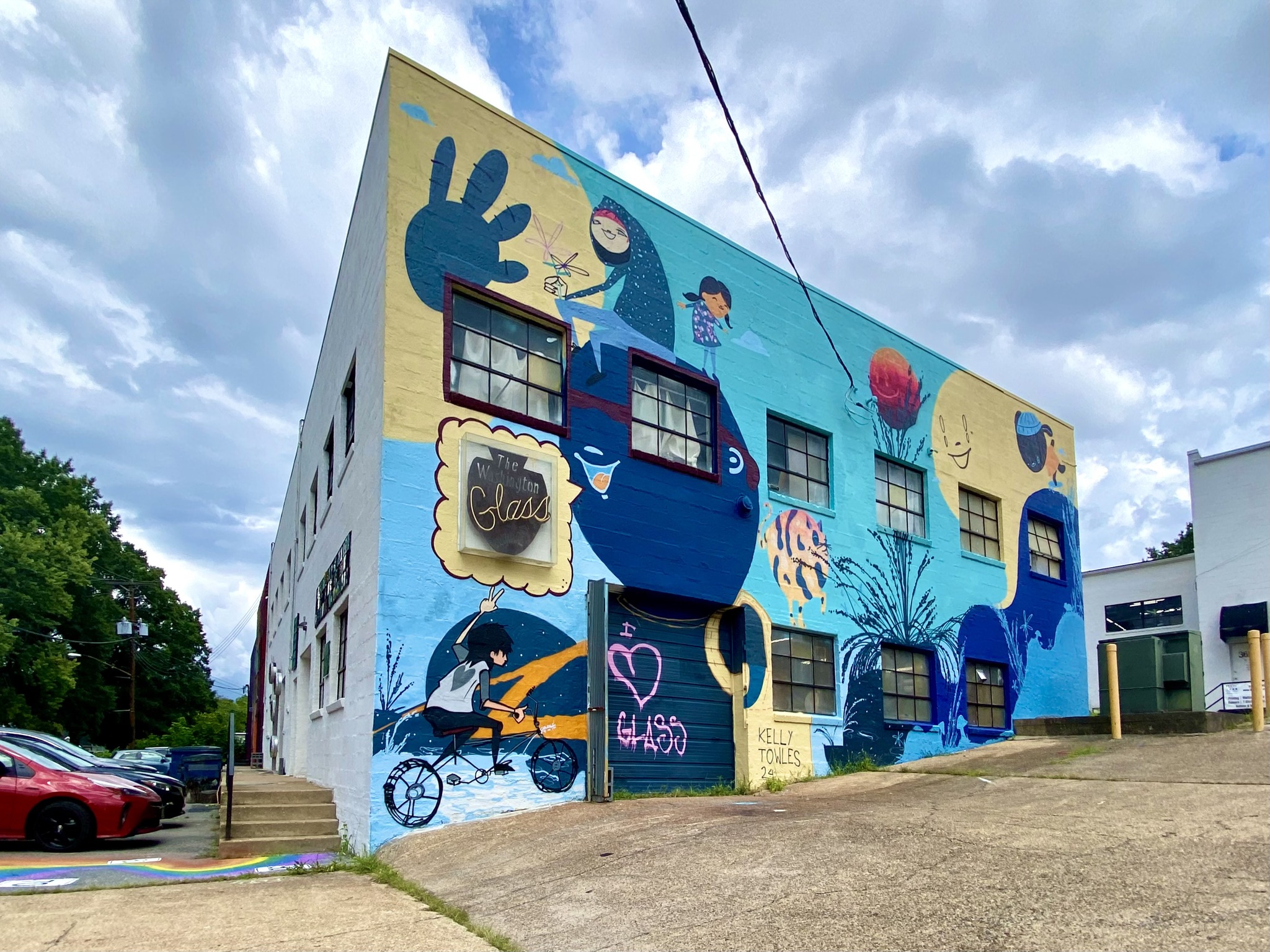
And a great time to view the new Kelly Towles mural on the side of the Glass school!
Kelly Towles’ mural “I ❤ Glass” on the Washington Glass School, August 2024
This March, the National Symphony Orchestra (NSO) will collaborate with different communities in Washington, DC’s Ward 5 and Mount Rainier, MD as a way to build new connections and relationships with the neighborhoods, local schools, museums, and arts organizations.
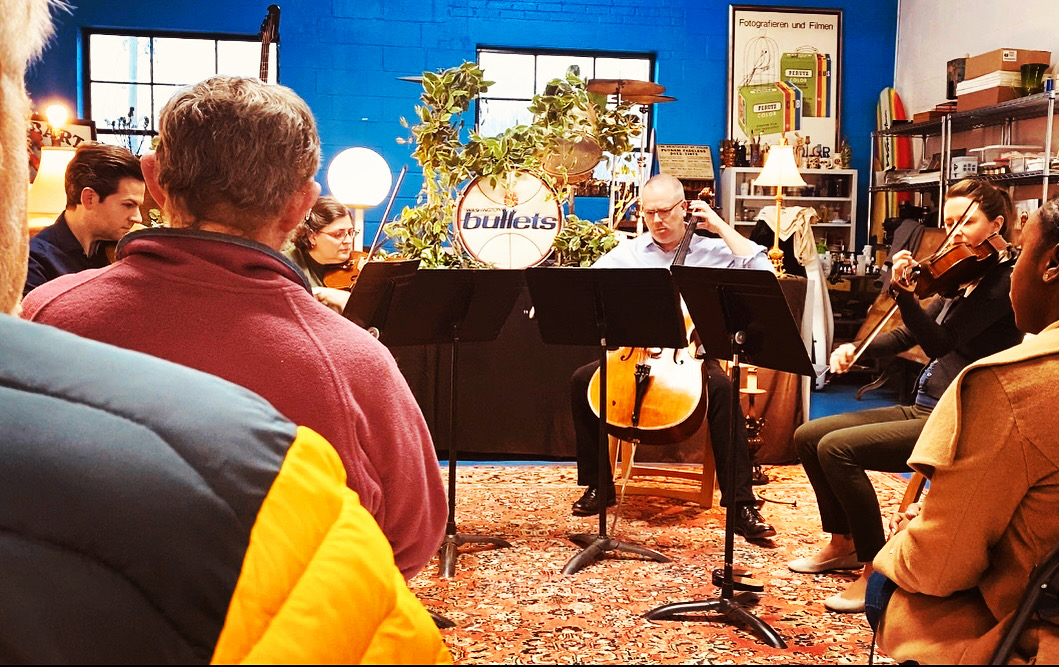
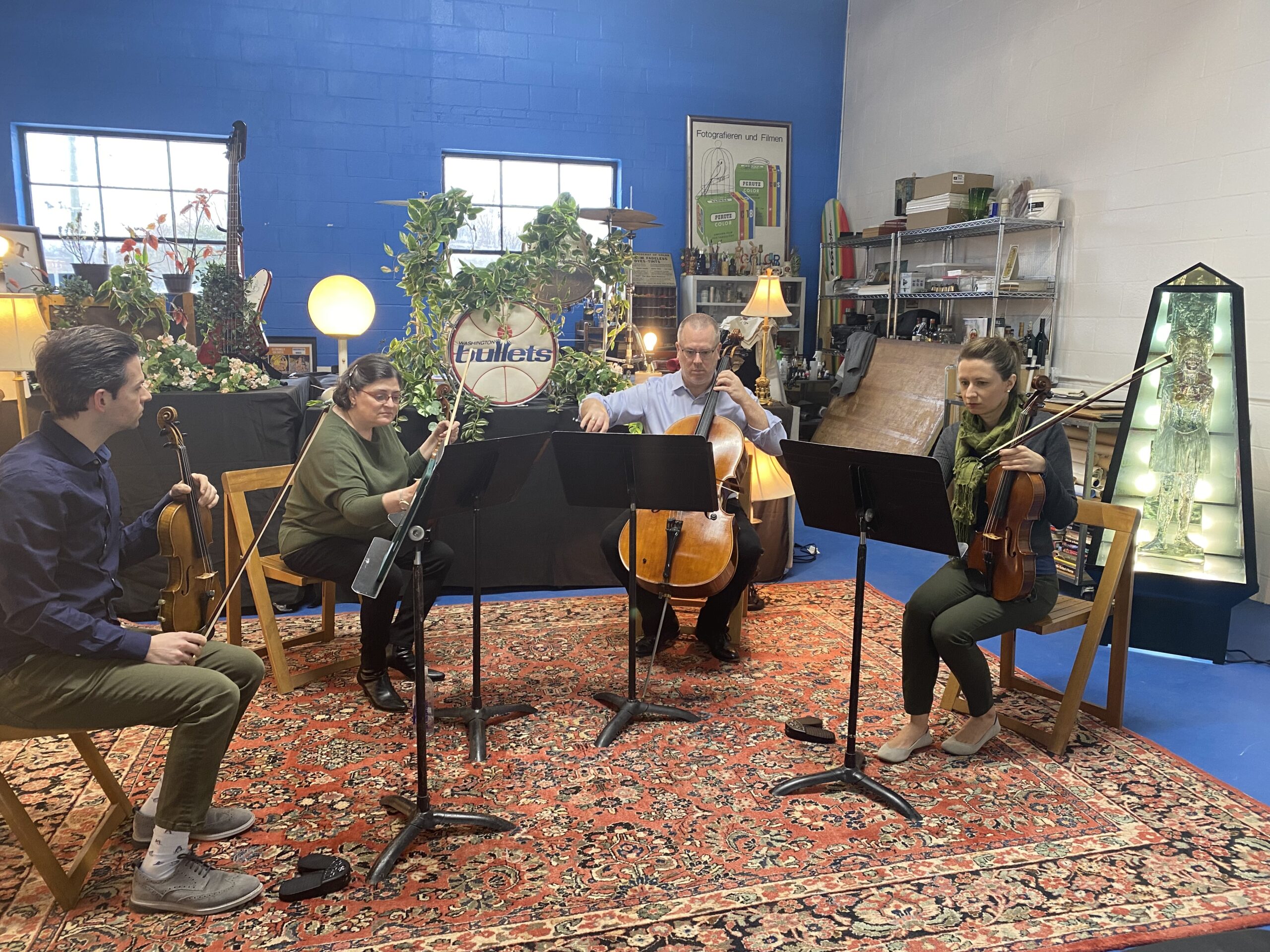
The NSO String Quartet performs at Artists by the Tracks Compound, Monday, March 13th, 2023.
“Edge of the City”
March 7–13, 2023
Brentwood | Brookland | Eckington | Fort Lincoln | Woodridge | Trinidad | University Heights | Mount Rainier, MD
Tim Tate’s sculpture is part of the backdrop of the performance.
Events are open to the public with first-come, first-served seating, unless otherwise noted. For more information, times and performance venues- click here: NSO In Your Neighborhood “Edge of the City”
The Mt Rainier performance was packed!
On Monday, March 13th, the NSO String Quartet played at the Arts Compound in Mt Rainier, MD. Some pix from the fun night!
DMV artists celebrate the NSO performance at the reception that followed the intimate performance. L-R Mary Early, David Mordini, Laurel Lukaszewski, Michael Janis.
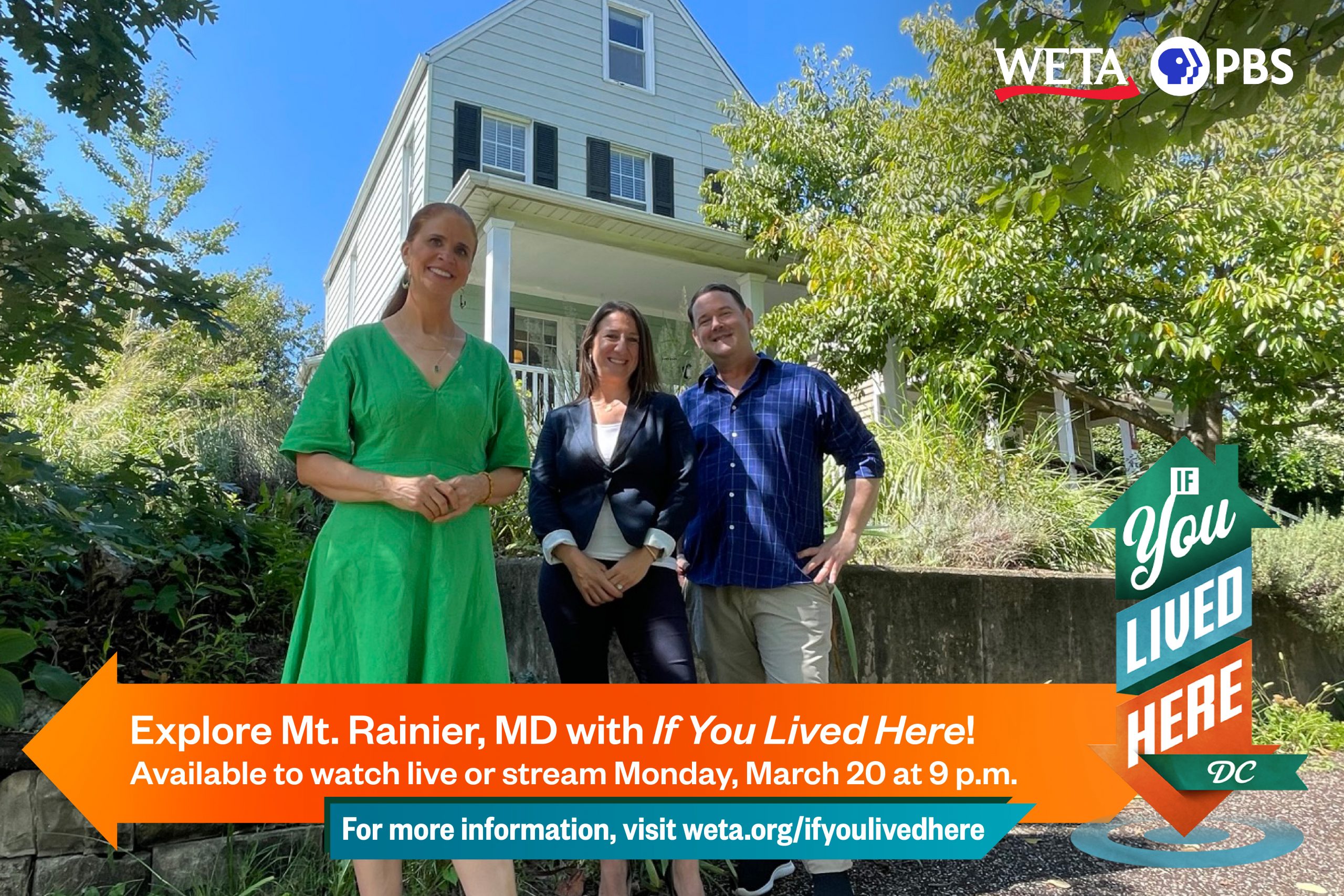
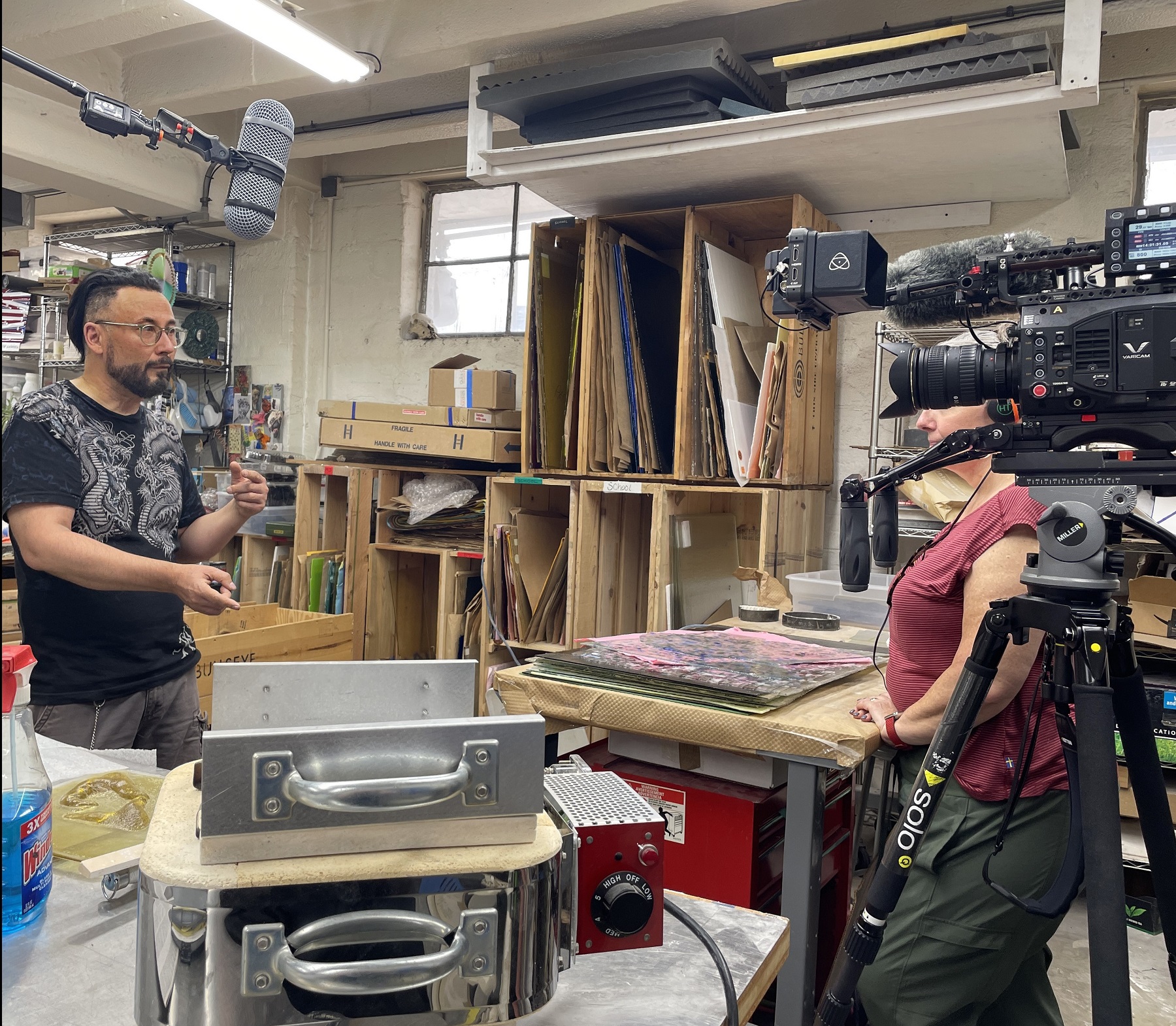
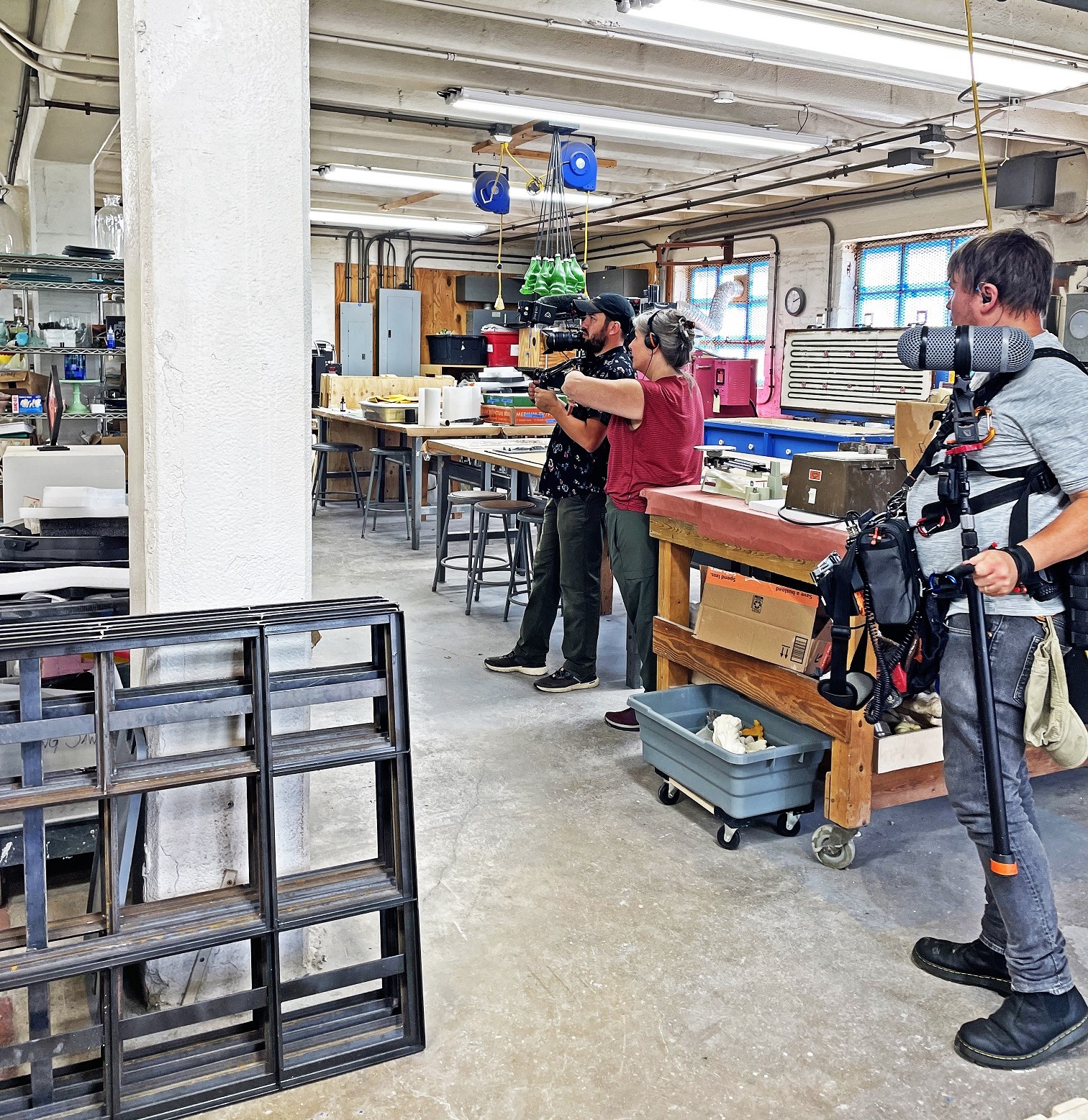
DC’s PBS Station – WETA /via Leapfrog Productions – filmed an episode of their popular TV show “If You Lived Here” in Mount Rainier, MD. The episode, which airs Monday, March 20th at 9 pm, focuses on houses in Mt Rainier, and what makes the area noteworthy, for this area, the art spaces and artists were the focus. Filming took place at Washington Glass School and some additional footage included the James Renwick Alliance Block Party held in September.
WGS Co-Director Michael Janis outlines the importance of arts in the community.Leapfrog Productions video crew finds interesting angles to cover for the show.Views of the Washington Glass School (WGS Contemporary) Gallery.
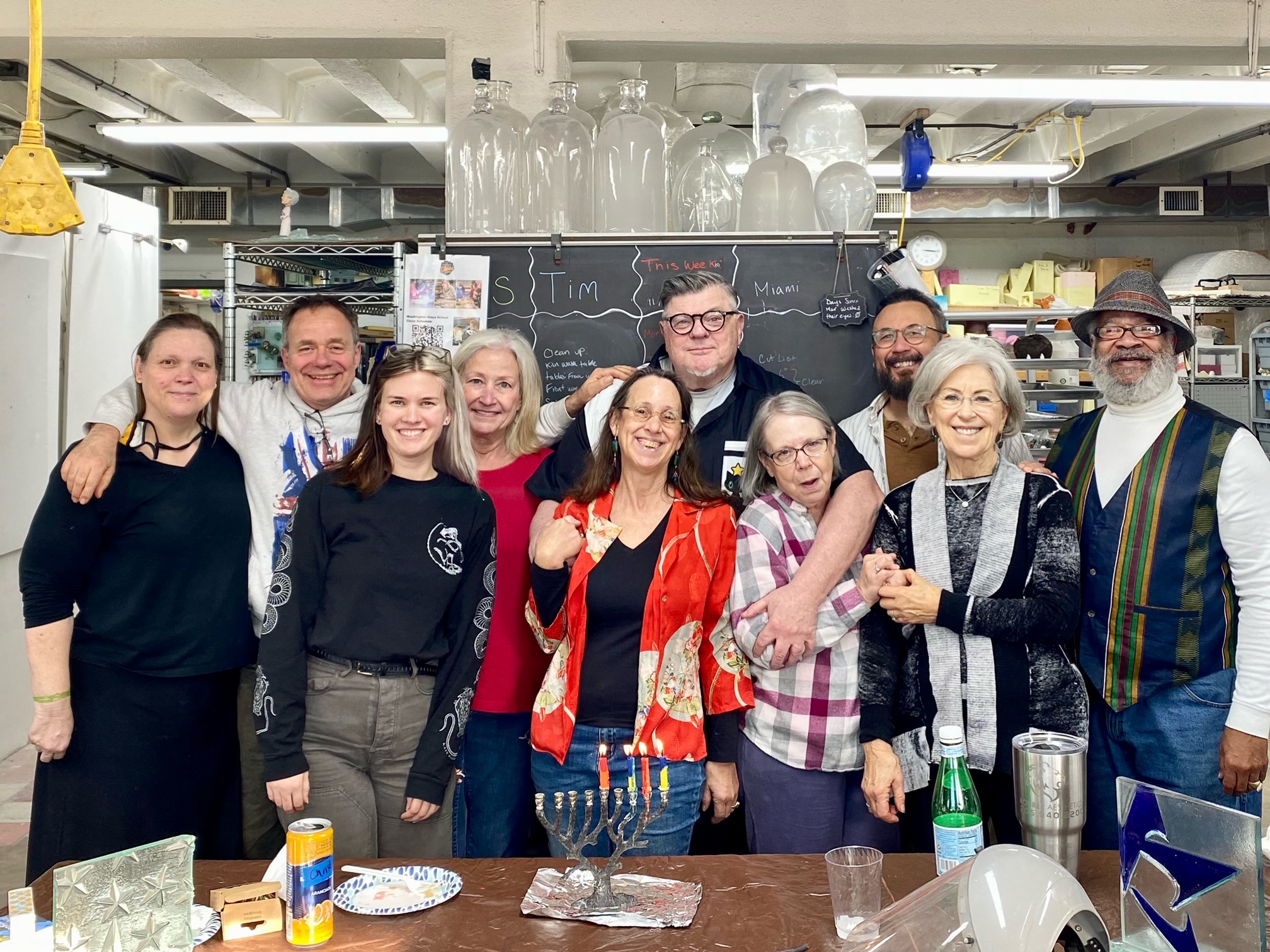
All of us at the Washington Glass School & Studio Wish You and Family a Joyous Holiday Season! And a Happy Healthy New Year!
(L-R) Patricia De Poel Wilberg, Erwin Timmers, Christina Helowicz, Nancy Kronstadt, Kate Barfield, Tim Tate, April Shelford, Michael Janis, Trish Kent and John Henderson. Not pictured: Graciela Granek, Sean Robinson, Diane Cabe, Gabrielle Morris, Kyle Crosby, and Daphne Matyas.
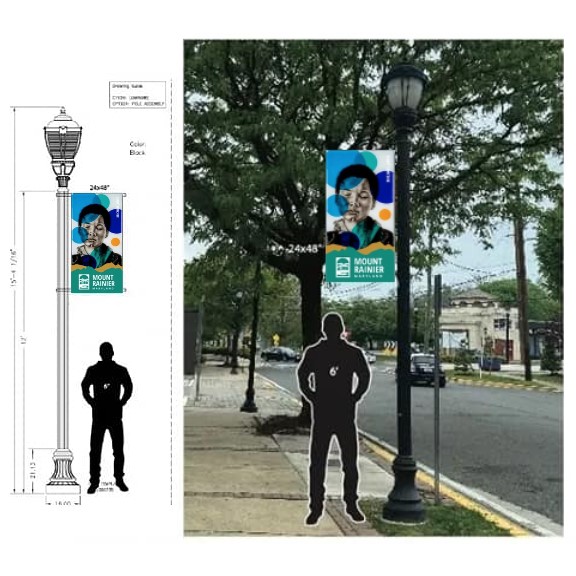
Image of Michael Janis’ work as proposed to Mount Rainier Council
During the November Legislative Meeting, Mount Rainier Mayor Celina Benitez and Councilmembers unanimously voted on the artworks presented by the Mt Rainier Arts Commission at the November Legislative Meeting. The Lamp Post Display Art Project was launched by the Commission to showcase the talent of Mt Rainier-based artists while invigorating the City’s downtown.
15 artworks were carefully selected based on a set of criteria. The pieces will be displayed on banners that will hang on the City’s lamp post for two years. Mayor and Council commended the Commissioners for spearheading the project and selecting pieces representative of the City’s diversity, culture and people. Part of the Gateway Arts District, Mount Rainier is home to over 150 art studios that contribute to the enrichment of the community. Congrats to our Michael Janis – and we look forward to seeing the banners installed!
Save The Date! May 14th is the proposed date for Washington Glass School Open Studio Tour! Many of the surrounding art studios and galleries will be participating! We will follow health protocols – and it will be great to see all in real life! Come and see what’s new and what has been shaking at the studio!
If you plan on spoiling Mom on Mother’s Day -whether she likes it or not, here are some gift ideas that will appeal to her. (Remember: Glass is alwaysthe Perfect Gift).
Come to the Gateway Arts District Open Studios on Saturday, May 13th from noon til 5 pm and interact with the artists, see their work, and explore their studios, during this annual event. Even better – bring Mom with you and make a day of it! Treat mom to some creative items that she’ll love. (Just be prepared to explain the artwork’s meaning, because — moms.)
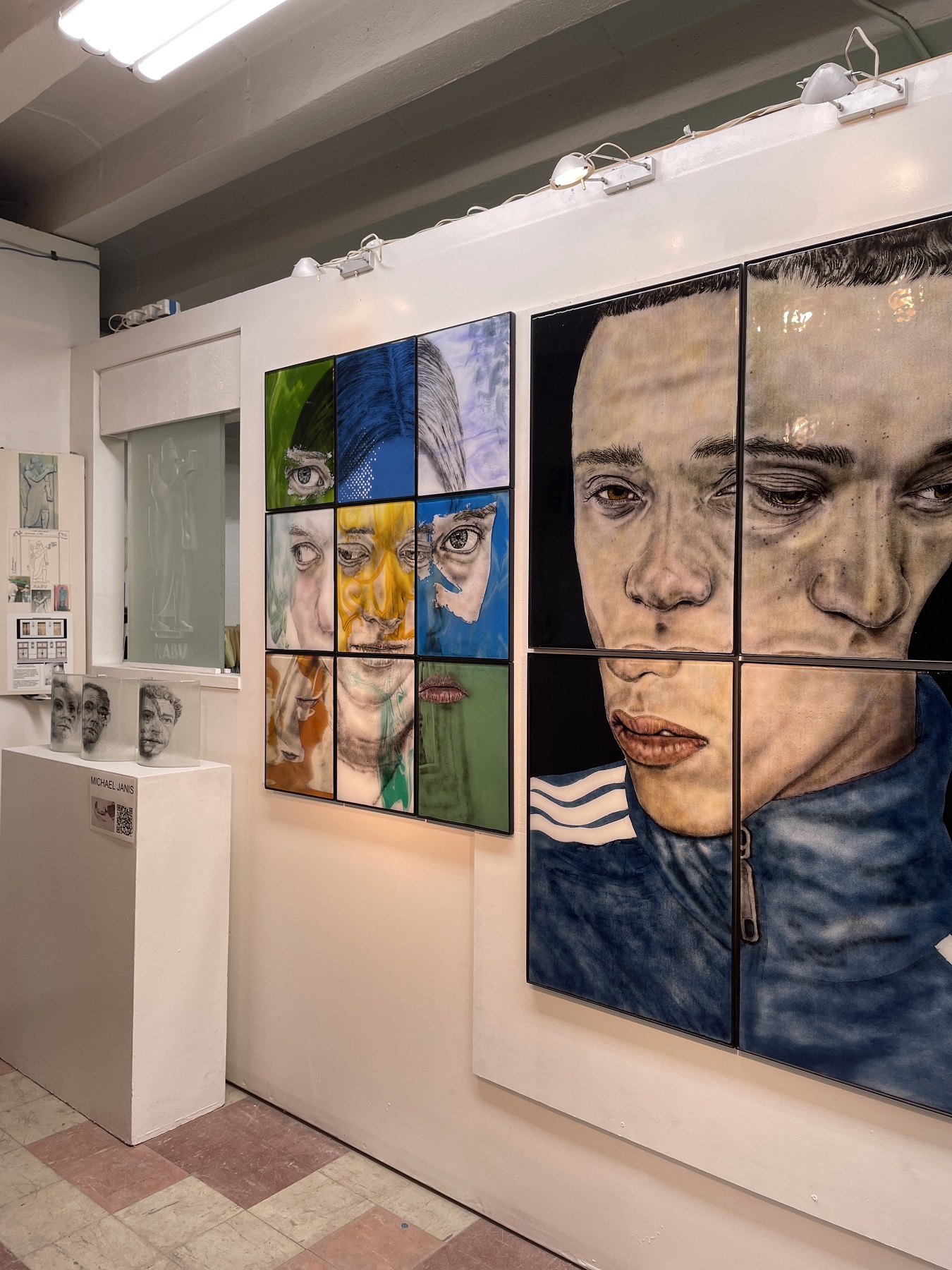
The Washington Glass School will be celebrating our sweet 16th birthday this year – be sure to stop by and see works by the artists and instructors. Washington Glass School artists – with work as diverse as their backgrounds – work together because their unique visions have helped build a new direction for glass sculpture.
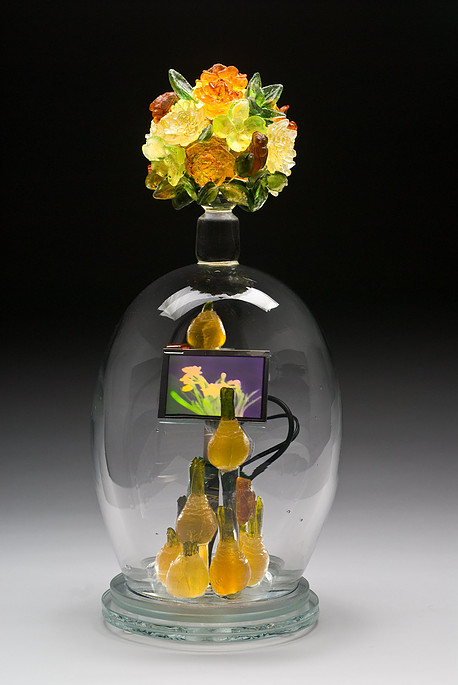
Tim Tate’s work was featured at Art Miami.
Michael Janis received the DC Mayor’s Arts Award 2016.
Erwin Timmers’ sculpture was part of a recent international exhibit.
Trish Kent’s glass was singled out as “most engaging” by Washington Post critic Mark Jenkins.
Veta Carney’s Pâte de verre sculptures charm everyone.
Supa-star Audrey Wilson knows what Mom likes.
Chip Montague has been busy!
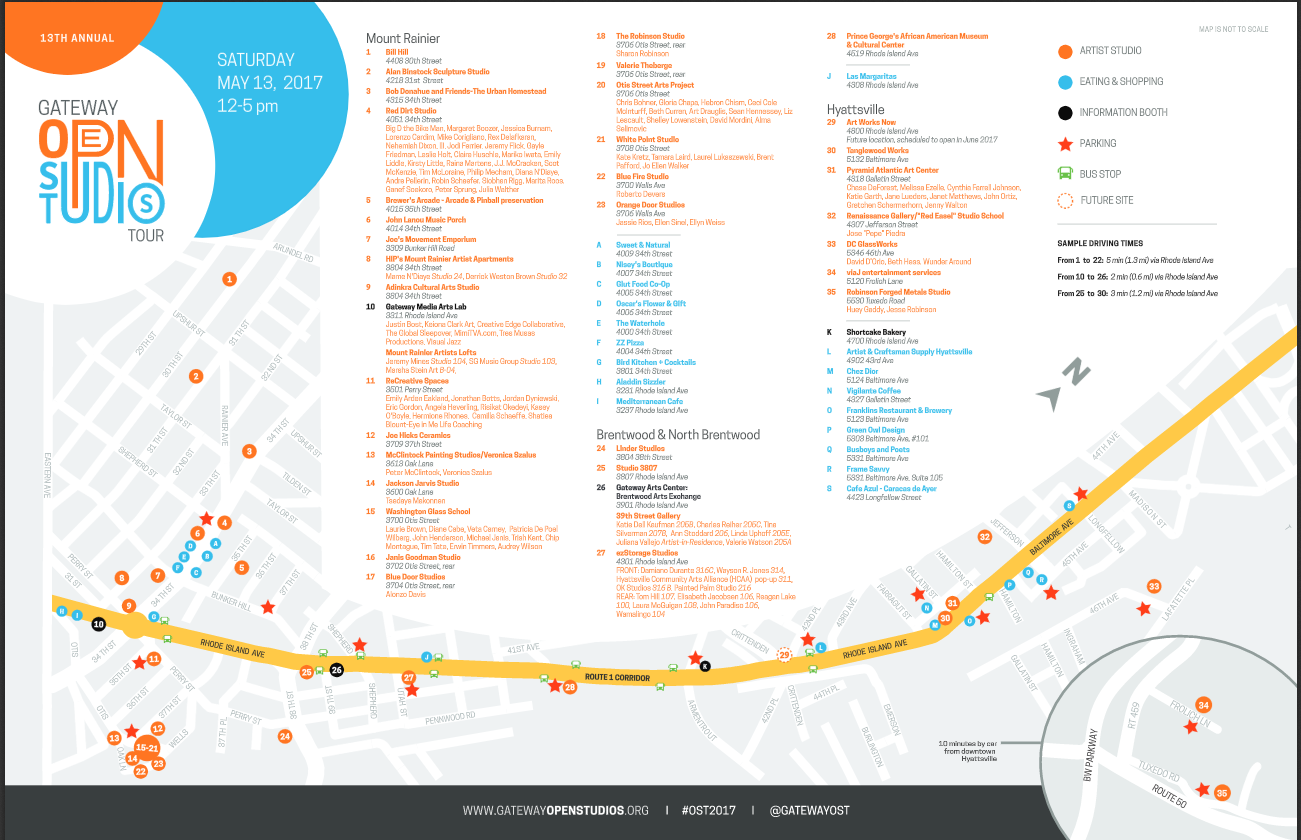
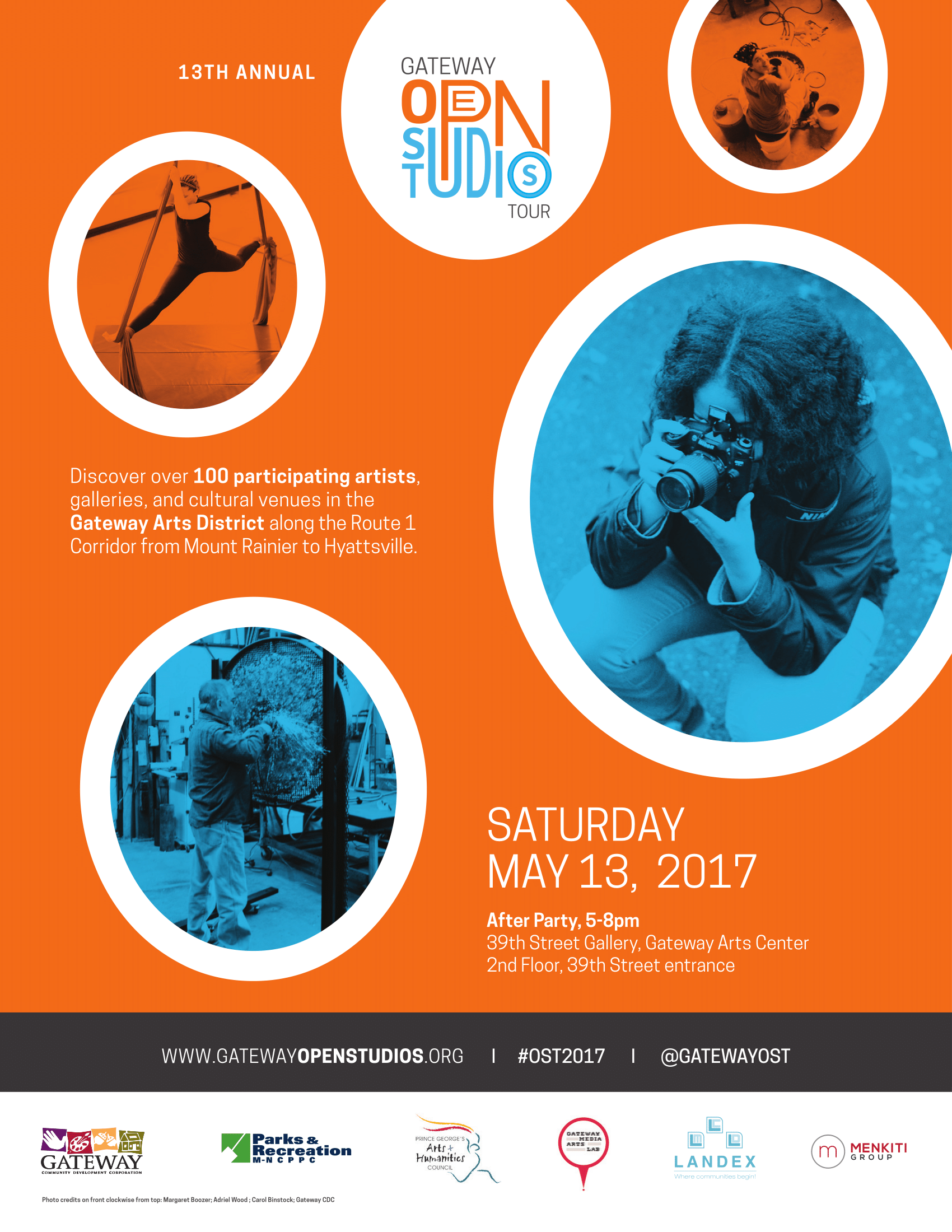
2017 GATEWAY OPEN STUDIO TOUR Saturday, May 13, 2017, 12-5pm After Party, 5-8pm 39th Street Gallery & Brentwood Arts Exchange at the Gateway Arts Center
Welcome to the DMV region’s largest-of-its-kind arts celebration and festival—Gateway Open Studios Tour. Come to the Washington Glass School and see what the artists and instructors have been working on!
Come to the Spring 2017 Gateway Open Studio where you’ll have behind-the-scenes access to studios, galleries, cultural centers, and performance spaces throughout the Gateway Arts District in Prince George’s County! Besides the Washington Glass School – other studios will be open, including Otis Street Arts Projects, White Point Studio, Jackson Jarvis Studios, Orange Door Studios, as well as the studios of Alonzo Davis, Robert Devers, Alec Simpson and more! 2017 marks Washington Glass School’s 16th birthday – and there will be lots to see!
Erwin Timmers cast recycled glass sculpture 2017. Photo by Pete Duvall
Mark it down! On May 11, 2013, from Noon til 5:00 pm, make plans to spend some time at the Washington Glass School.
Gateway Arts District presents its 9th Annual Open Studio Tours – one of the best events in the greater Washington, D.C., metro area!
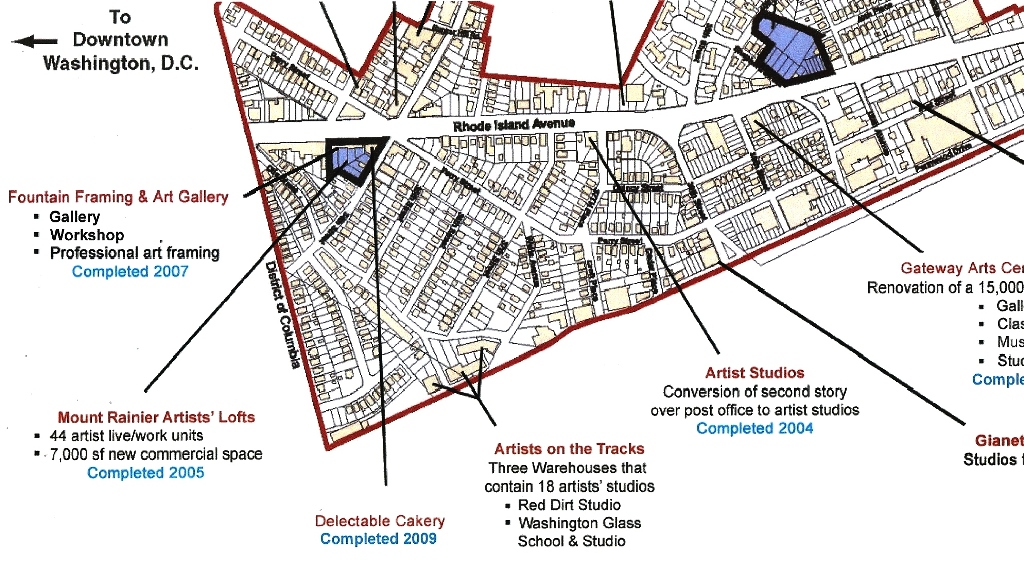
This event showcases the many professional artists representing nearly every visual arts medium. You’ll have access to art galleries, studios, cultural centers and performing spaces throughout the Prince George’s County Gateway Arts District (a vibrant cultural scene spanning Mount Rainier, Brentwood, North Brentwood and Hyattsville).
Gateway Arts District starts along the Eastern Ave border to DC.
The event is free and open to the public. Close to 140 individual artists will participate to make an exceptional event.Come to the Washington Glass School in the part of Gateway known as “Artists on the Tracks” and see the works of the Glass School artists and next door Flux and Red Dirt Studios.
This year’s tour features a guided shuttle bus tour of select studios, live performances at Joe’s Movement Emporium, and an exhibition opening at the 39th Street Gallery.






.jpg)